The Black Chanel Handbag: A Timeless Must-Have
A Legacy Stitched in Black
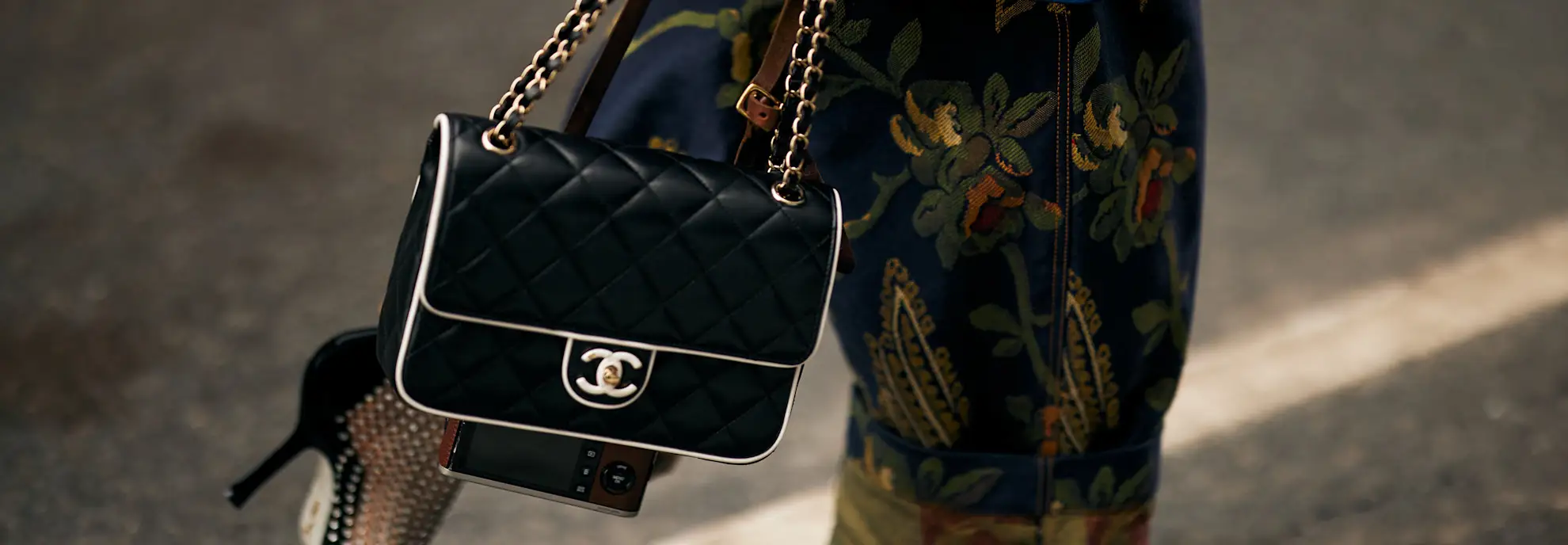
When Coco Chanel introduced her first handbag in February 1955, she transformed women’s fashion with a design that was both elegant and practical. The choice of black, drawn from her devotion to simplicity and functionality, reflected her belief that true style should never feel forced. For Chanel, black was far more than a colour — it represented modern femininity, quiet strength, and effortless refinement. “I imposed black and it reigns still because black trumps all,” she famously stated.
It’s easy to forget that before Chanel redefined it, black was primarily linked to mourning and servitude. Inspired by the stark uniforms of her childhood in an orphanage, she saw the potential to elevate the sombre shade into something powerful and chic. This vision culminated in 1926 with the debut of the little black dress — a piece so revolutionary that American Vogue predicted it would become “a sort of uniform for all women of taste.” From then on, black became a cornerstone of the Chanel aesthetic: understated, liberated, and eternally stylish.



















From Day to Night: The Power of Versatility
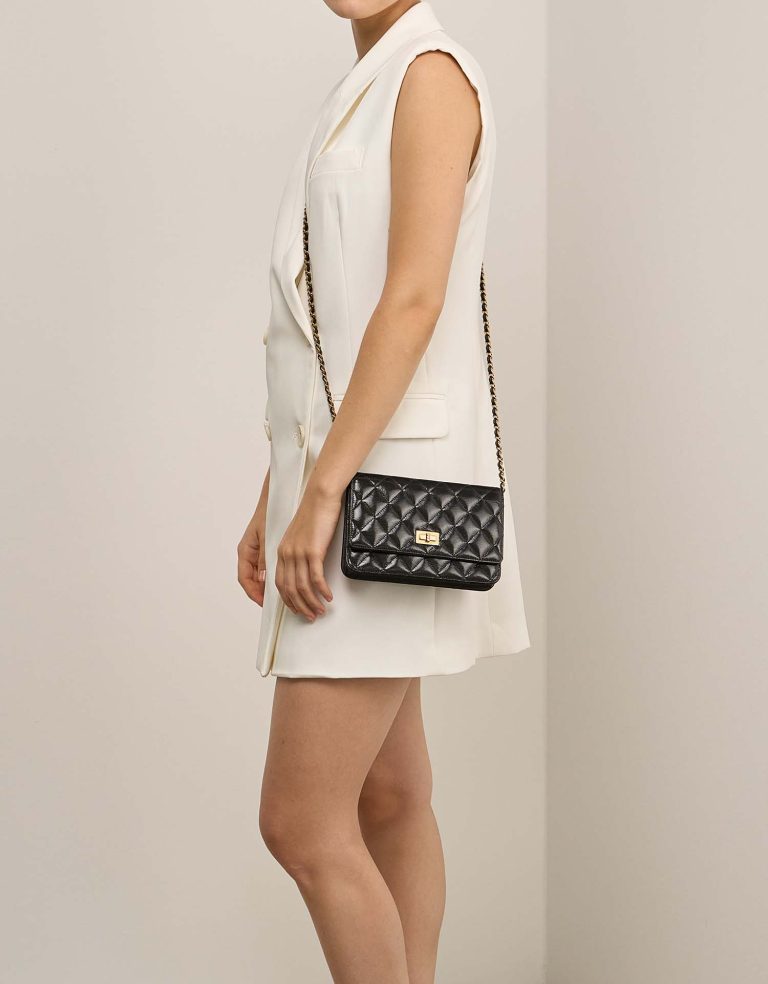
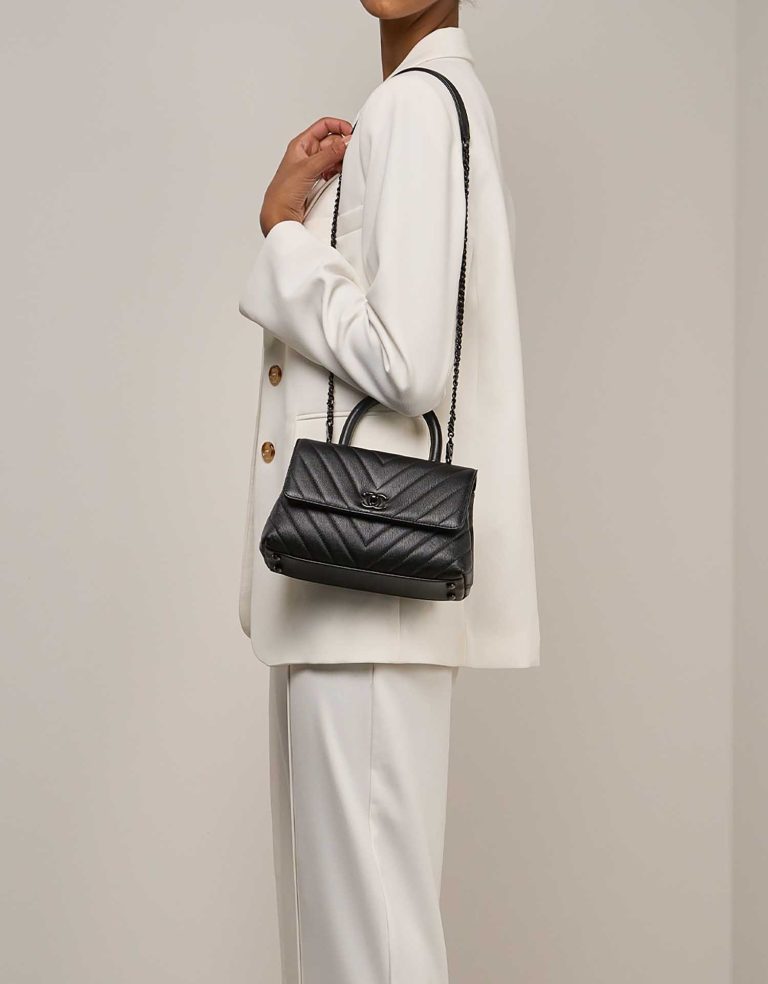
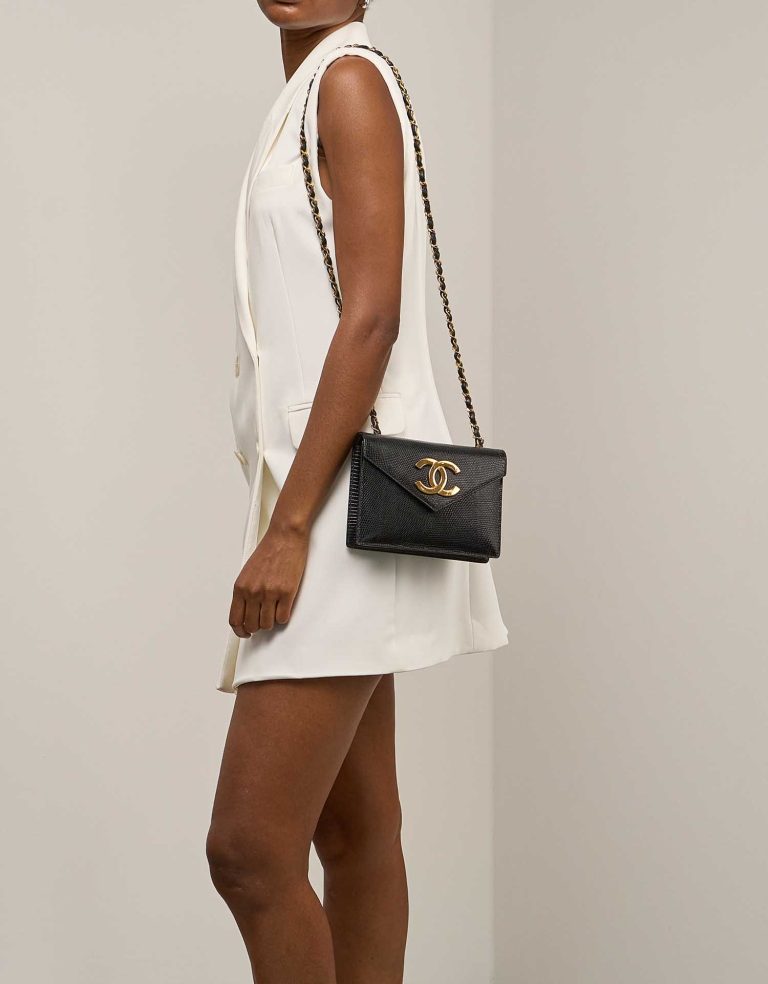
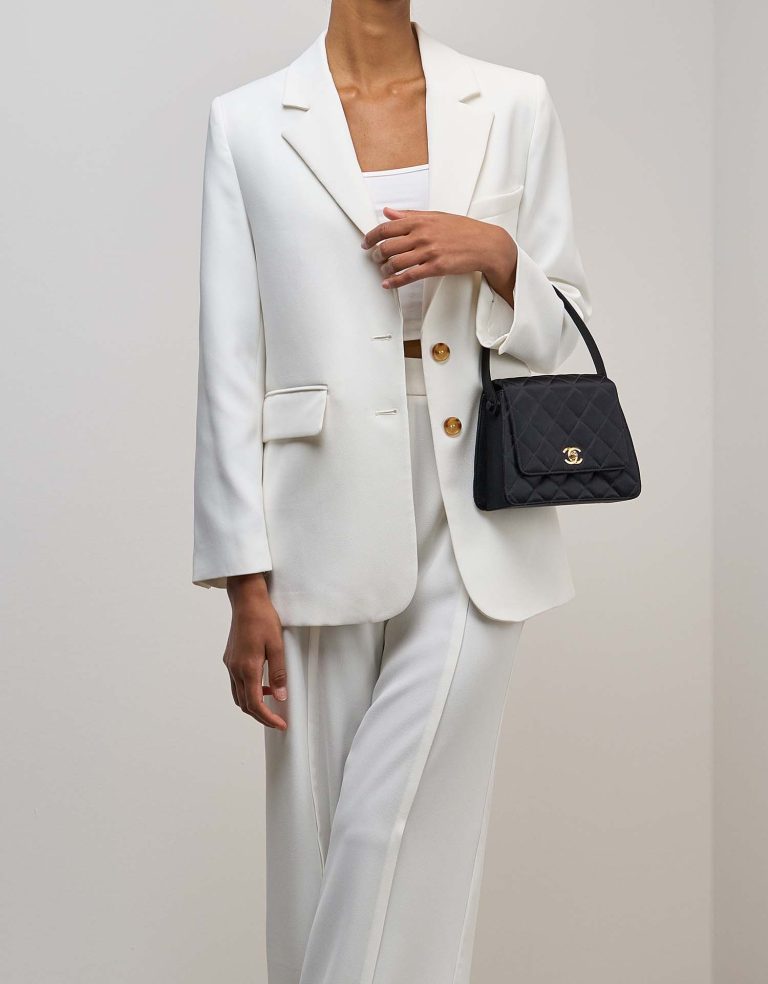
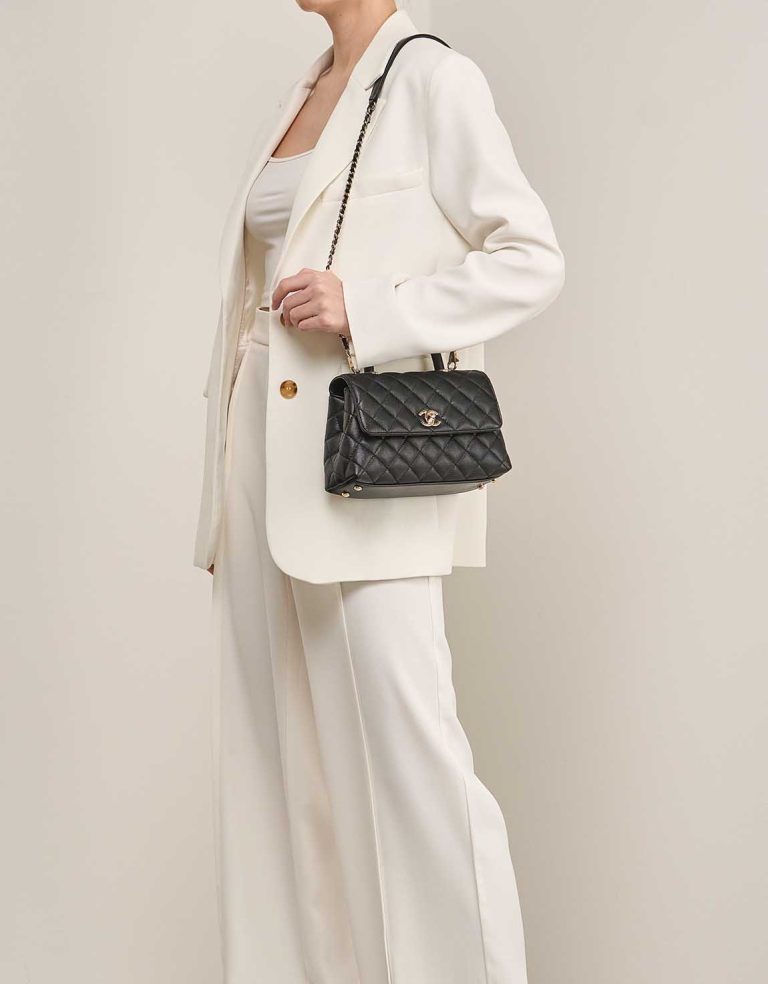
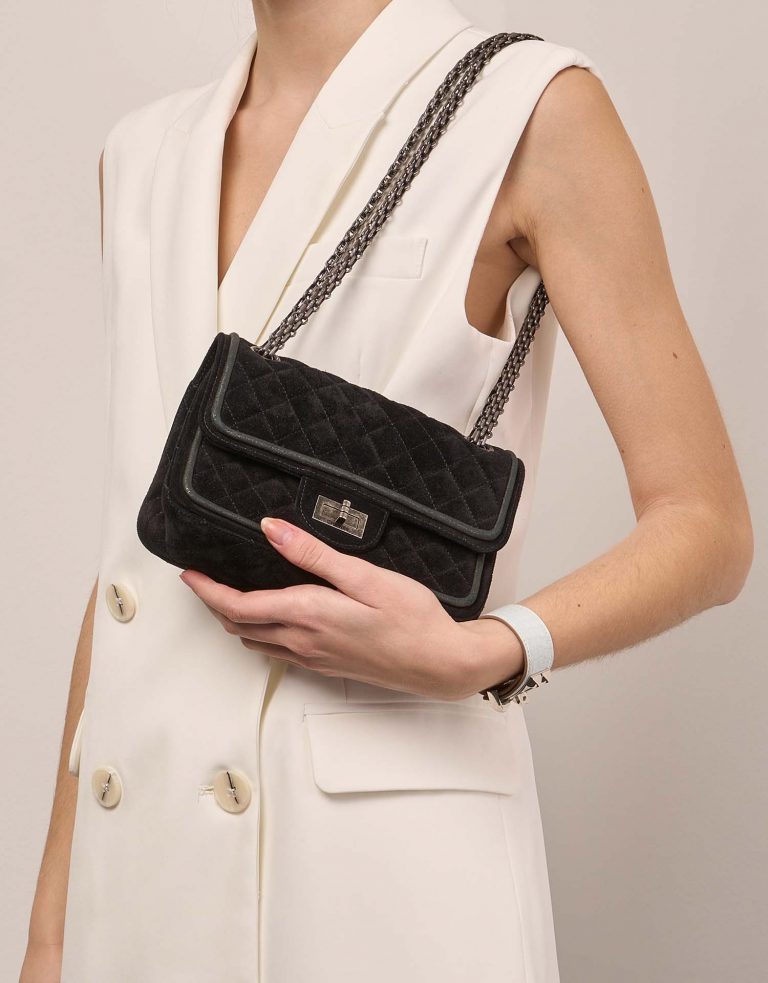
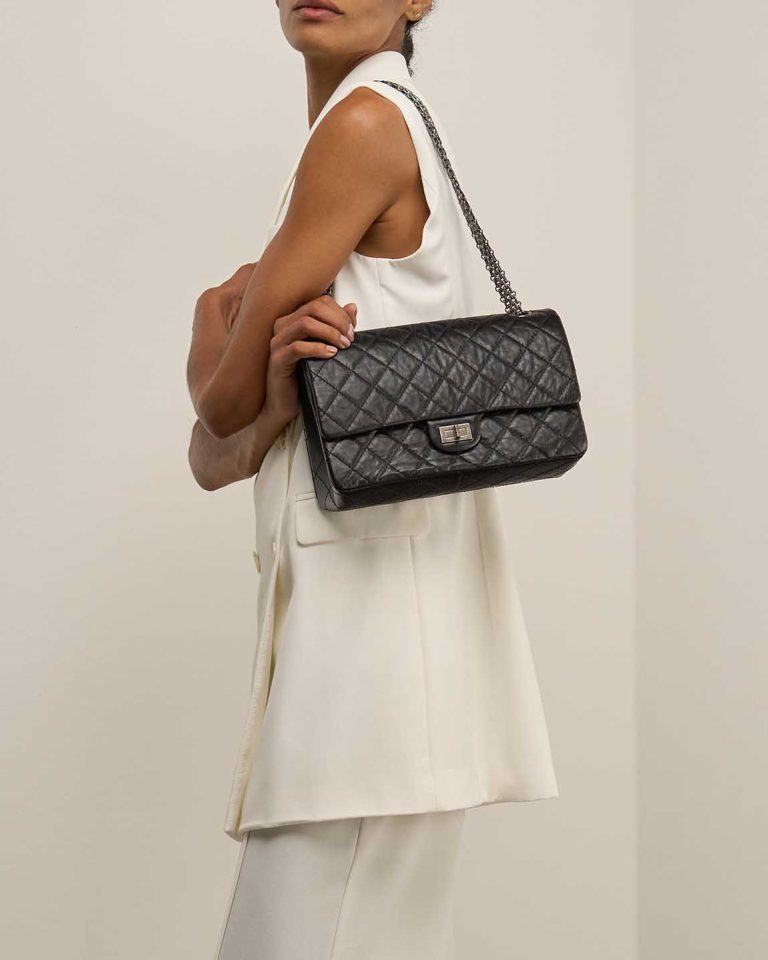
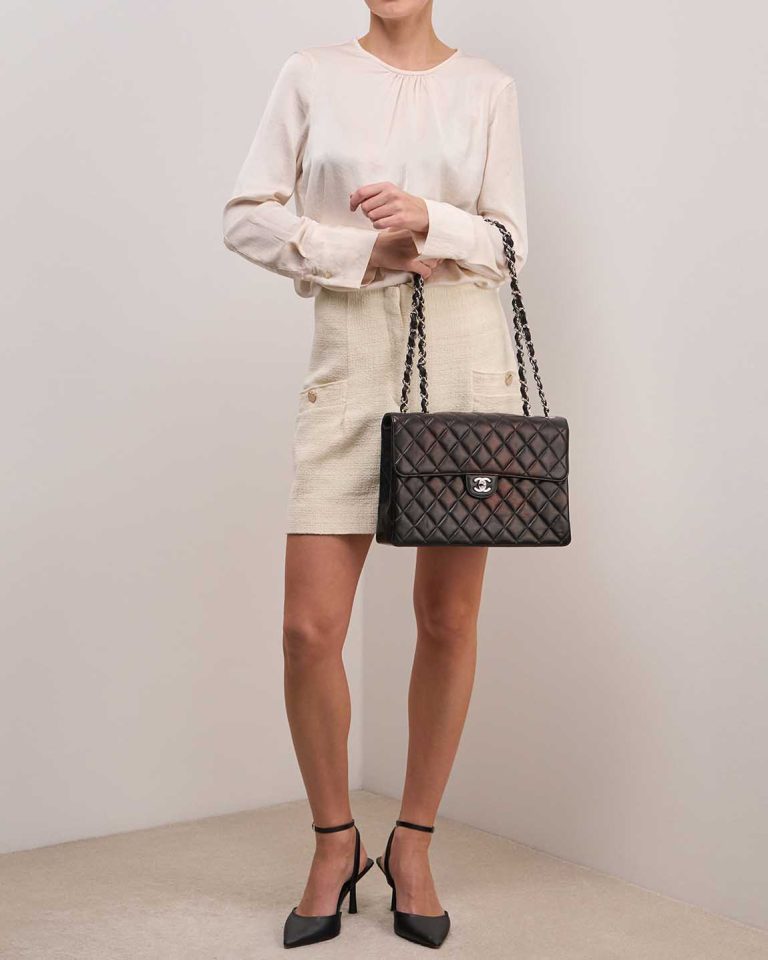
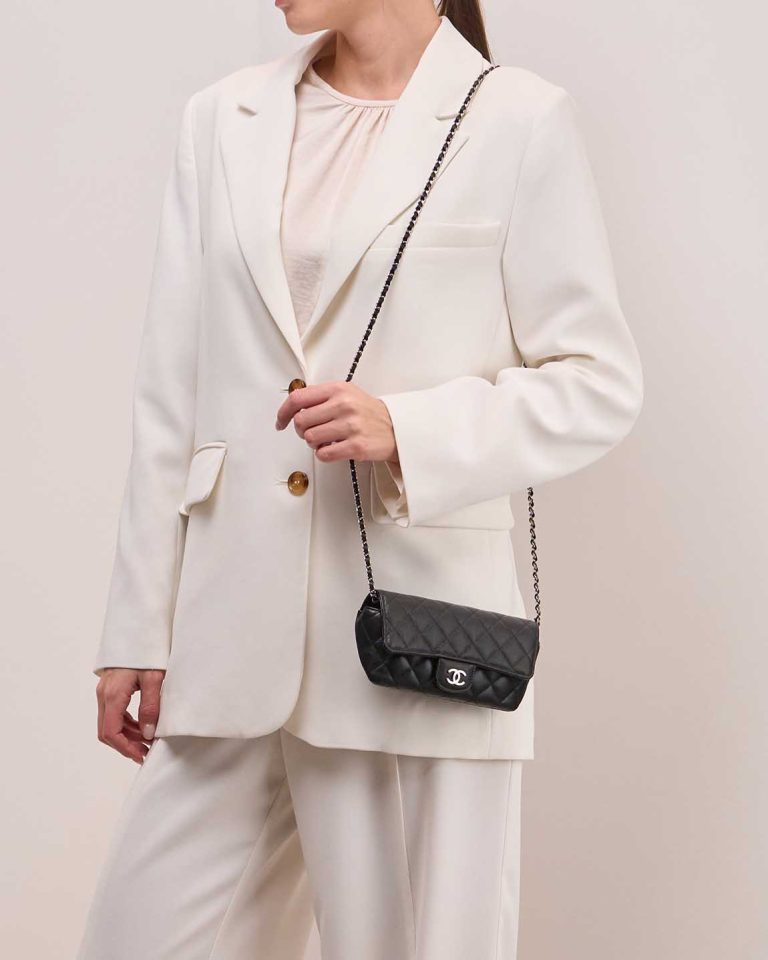
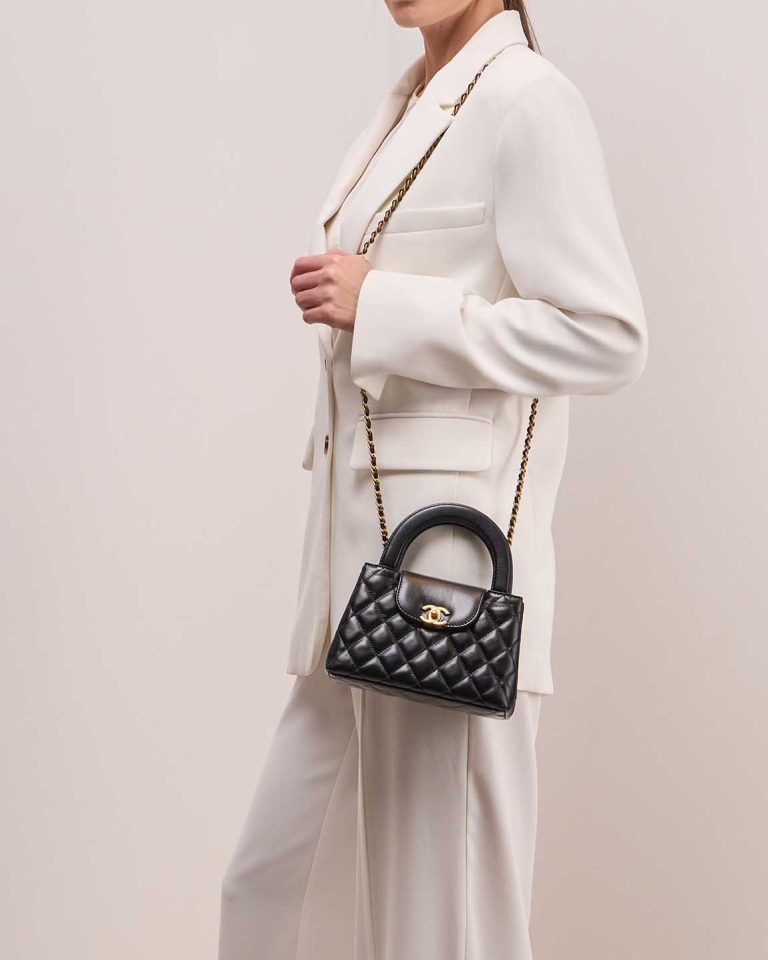
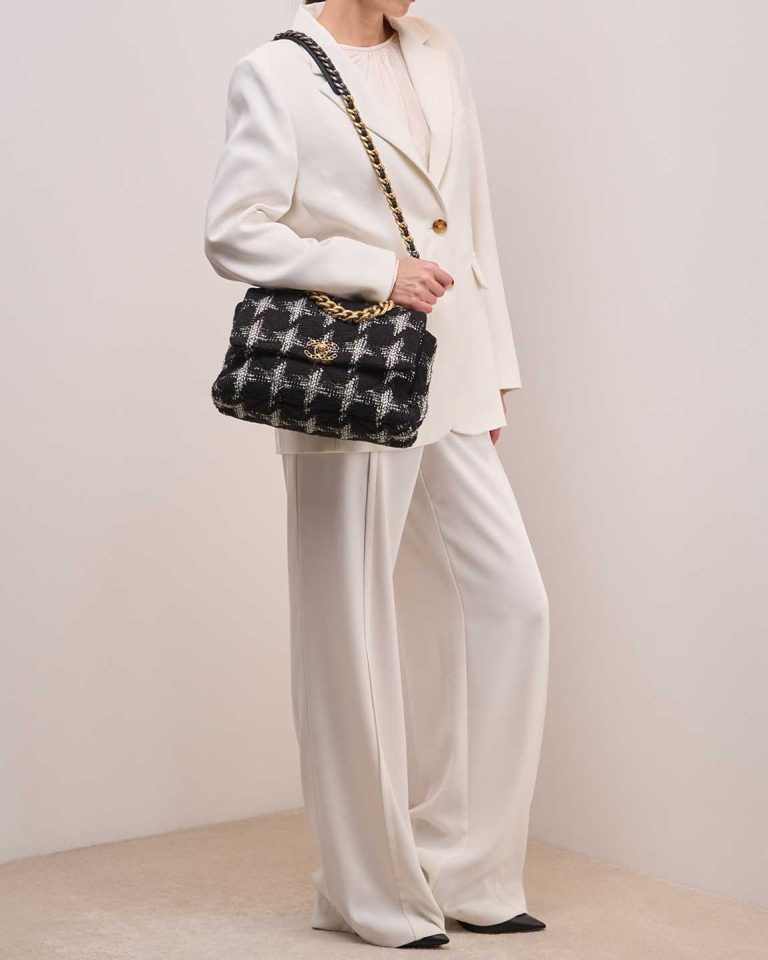
The beauty of a black Chanel handbag lies in its limitless versatility. It transitions seamlessly from casual daytime looks to glamorous evening attire. Whether worn crossbody for a relaxed brunch or carried as a clutch at a soirée, it complements every outfit with understated polish. From the Classic Double Flap in caviar leather to the sleek Boy Bag with its structured lines, each silhouette offers a unique take on Chanel’s timeless black aesthetic — yet all share the same DNA of craftsmanship, comfort, and confidence.
Craftsmanship That Endures
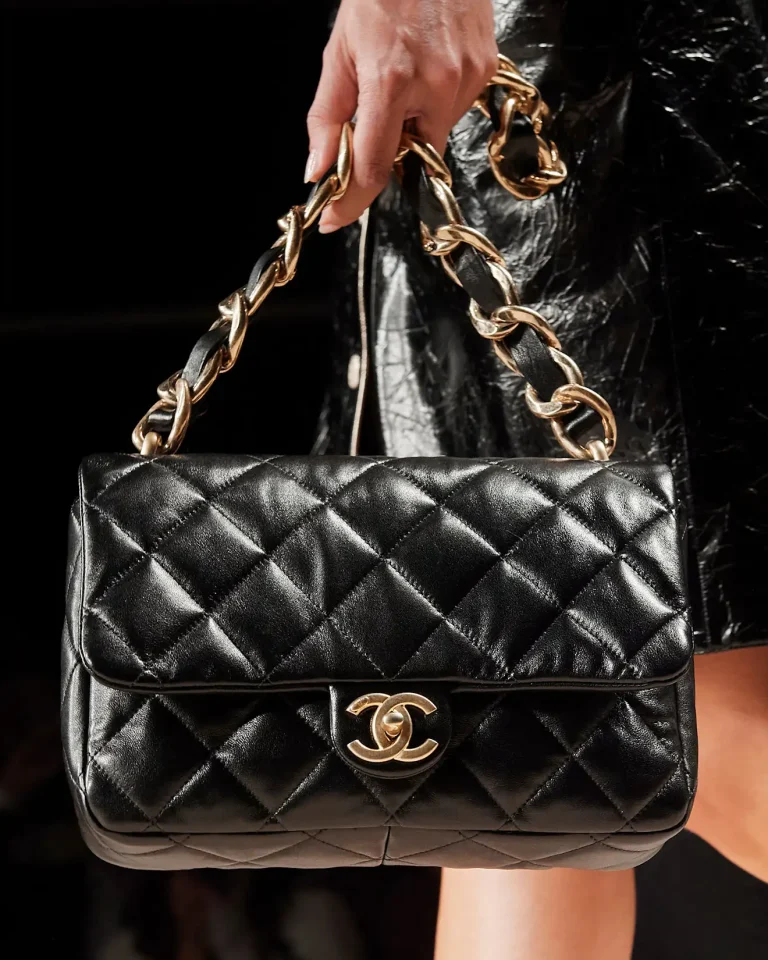
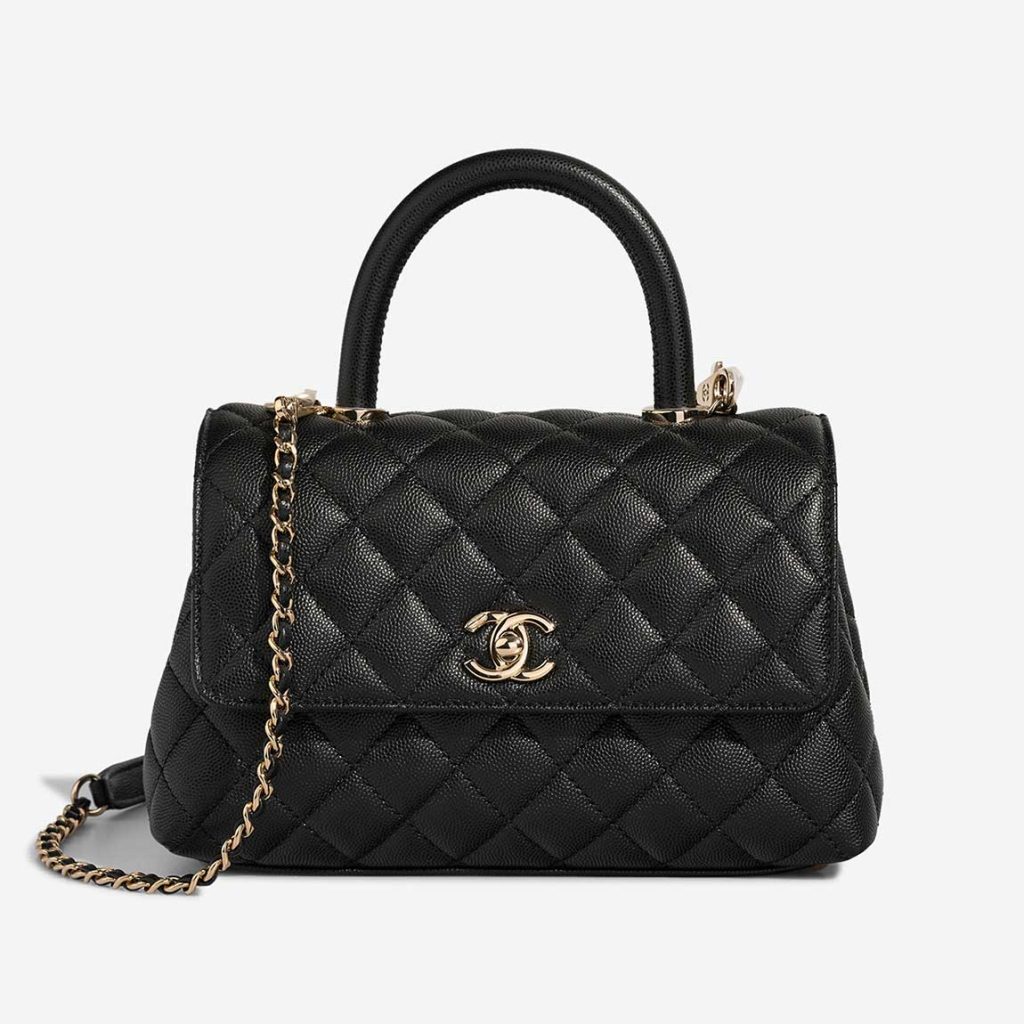
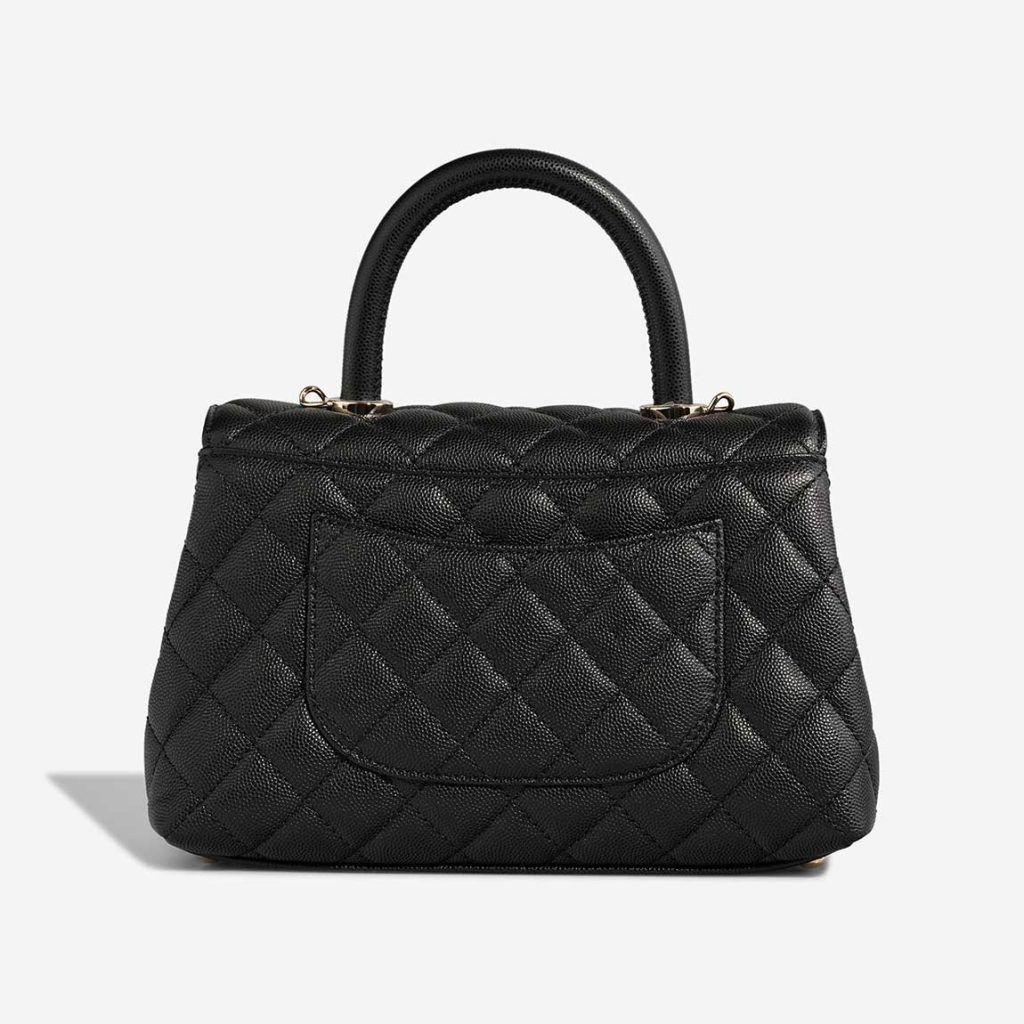
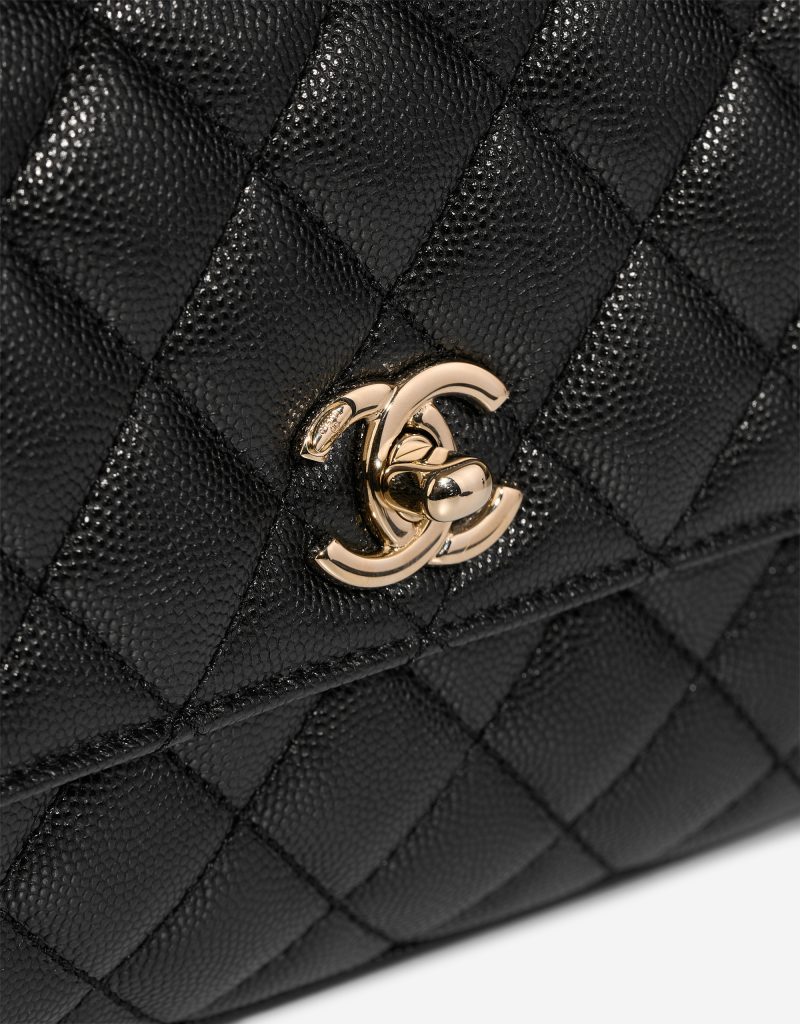
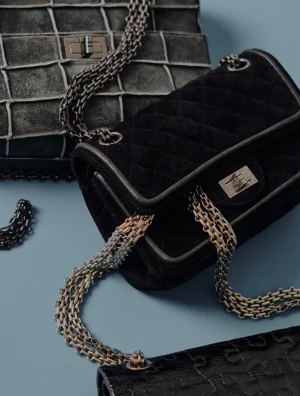
Every black Chanel handbag is a study in meticulous craftsmanship. The iconic diamond quilting, inspired by jockey jackets, provides structure and texture. The interwoven leather-and-chain strap, both delicate and durable, epitomizes Chanel’s balance of form and function.
Over time, each bag tells its own story — the patina on the lambskin, the gentle sheen of worn caviar leather, the soft aging of the hardware. Far from diminishing its value, these subtle signs of wear enhance its character, making each piece uniquely personal.
A Smart Investment in Style
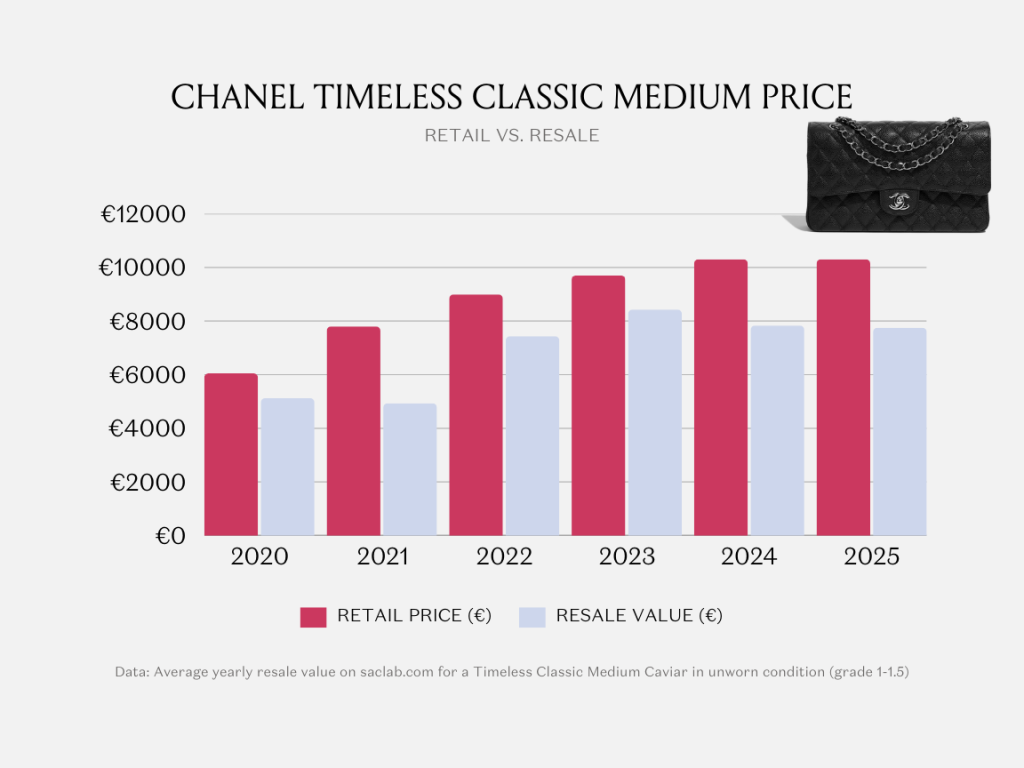
In the world of luxury resale, few pieces hold their value as securely as a black Chanel Classic Flap. Long regarded as one of the strongest investment bags on the market, it continues to perform remarkably well year after year.
The numbers speak for themselves: the Classic Medium Flap now retails at around €10,500 / US $11,300 in 2025, nearly double its price in 2020. This consistent upward trajectory — combined with high global demand — means many collectors can resell their bag at or above retail, especially in coveted black caviar leather with gold hardware.
From seasoned collectors to first-time buyers, the appeal remains unchanged: a black Chanel bag represents timeless taste, lasting value, and a direct link to the heritage of one of fashion’s most influential houses. For many, it is both a wardrobe essential and a long-term asset.
Chanel Timeless Classic Medium – Investment Data
The Essence of Chanel
A black Chanel handbag is more than a wardrobe staple — it’s a lifetime companion. It grows with you, adapts to your style, and never feels out of place. Whether passed down through generations or carried daily, it continues to embody the essence of effortless Parisian chic that Coco Chanel envisioned nearly a century ago.
At SACLÀB, we celebrate this enduring legacy — curating an exclusive selection of black Chanel handbags, each authenticated and preserved to the highest standard. Because some things don’t just follow fashion — they define it.



























FAQ
Why are black Chanel handbags so popular?
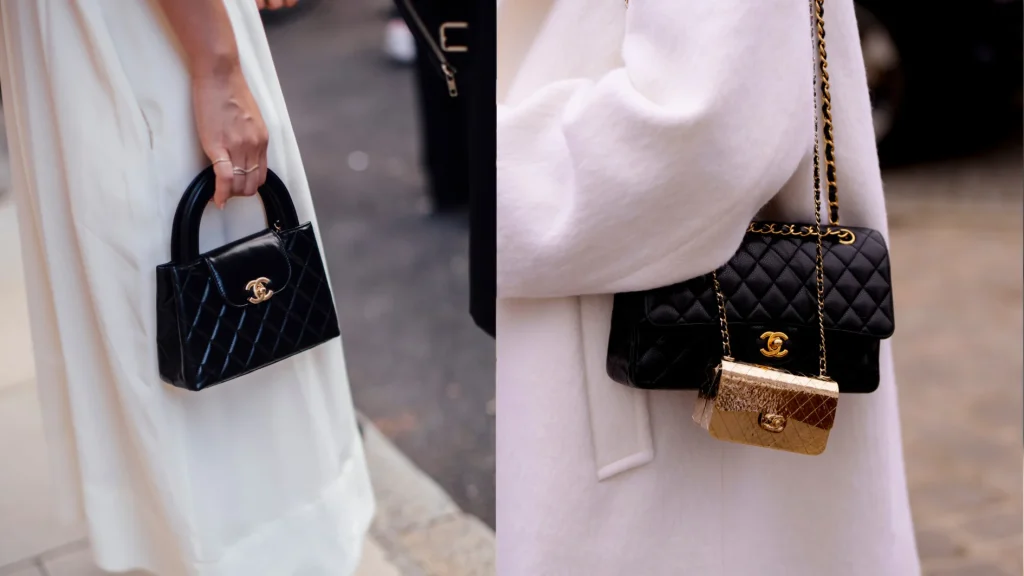
Black Chanel handbags have become iconic because they embody the brand’s core values: elegance, versatility, and timelessness. The colour black was central to Coco Chanel’s design philosophy — modern, understated, and endlessly chic. A black Chanel bag pairs effortlessly with any outfit and occasion, which makes it a favourite among both first-time buyers and seasoned collectors.
Why did Coco Chanel choose black as a signature colour for her designs?
For Coco Chanel, black symbolised modernity, independence, and clarity of form. At a time when black was largely associated with mourning or servitude, she redefined it as chic, powerful, and liberating. Drawing inspiration from the stark uniforms of her childhood and her devotion to simplicity, Chanel believed black stripped fashion of excess and allowed true design to shine. In her hands, black became the ultimate expression of effortless elegance — a philosophy that continues to define the House today.
Is a black Chanel handbag a good long-term investment?
Yes, a black Chanel handbag—particularly classic styles such as the Classic Flap or 2.55—is widely regarded as one of the strongest investment pieces in luxury fashion. Consistent price increases, limited availability, and enduring global demand help these bags retain and often exceed their original value over time. Models in black, especially in caviar or lambskin with classic hardware, are among the most sought-after on the resale market, making them both a style icon and a smart asset.
Which Chanel hardware looks best with a black handbag — gold, ruthenium, or silver?
Black Chanel handbags pair beautifully with all hardware options, but each creates a distinct mood:
Gold hardware: classic, warm, and iconic — the most traditional Chanel look.
Silver hardware: modern, cool-toned, and understated.
Ruthenium hardware: edgy and contemporary, giving a slightly industrial feel.
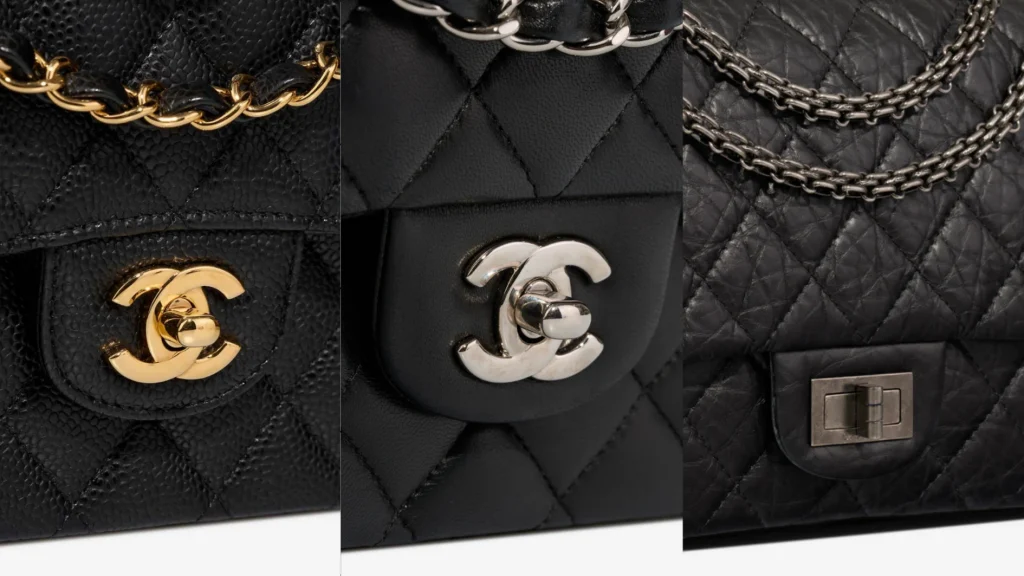
Your choice depends on personal style, wardrobe tones, and how formal or casual you prefer your look to be.
More stories






Make a Request
We do our best to find bags for our customers on request. However, this might take up to 6 months.
Warning!
You have reached the limited requests per customer.
Thank you for your enquiry!
Please check your email for further instructions.
Warning!
You have reached the limited requests per customer.