











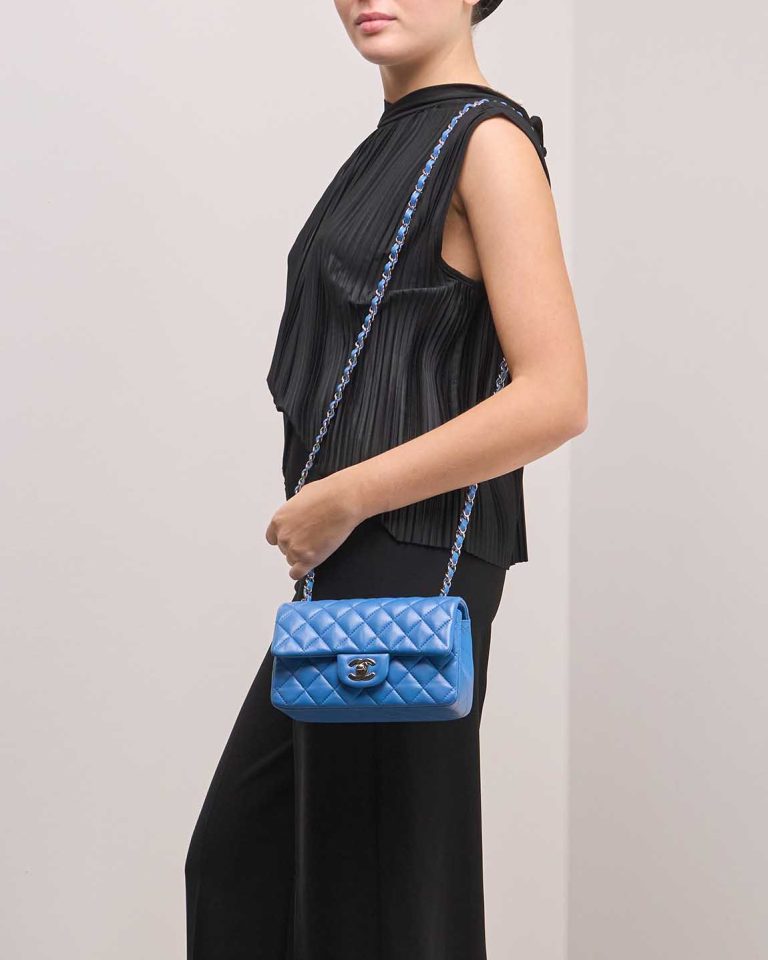

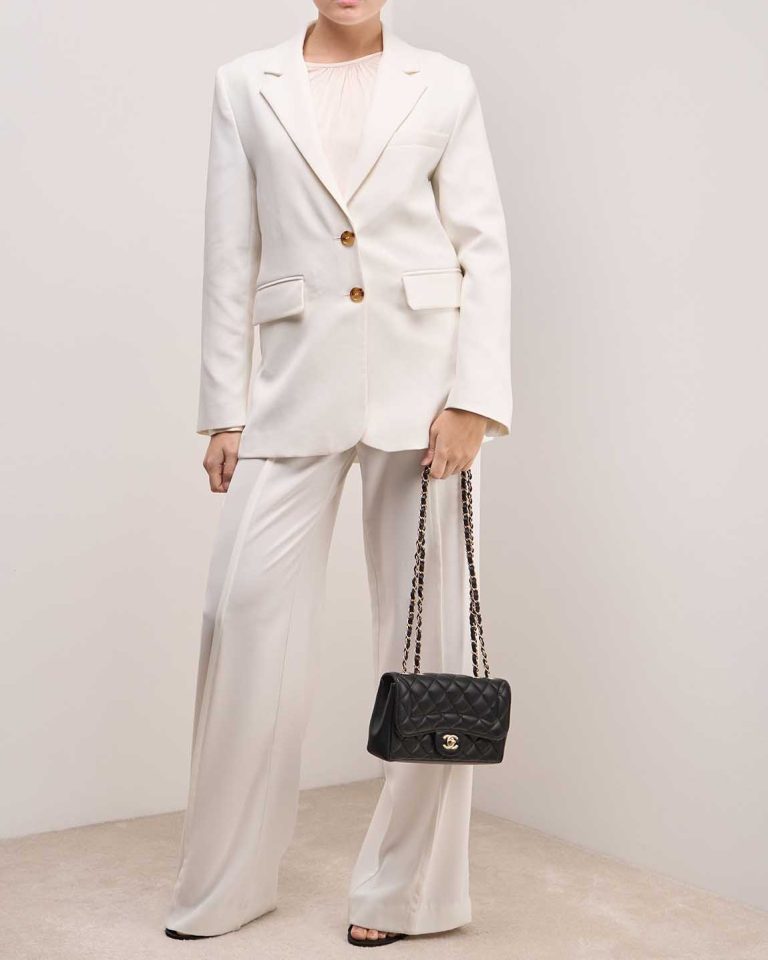

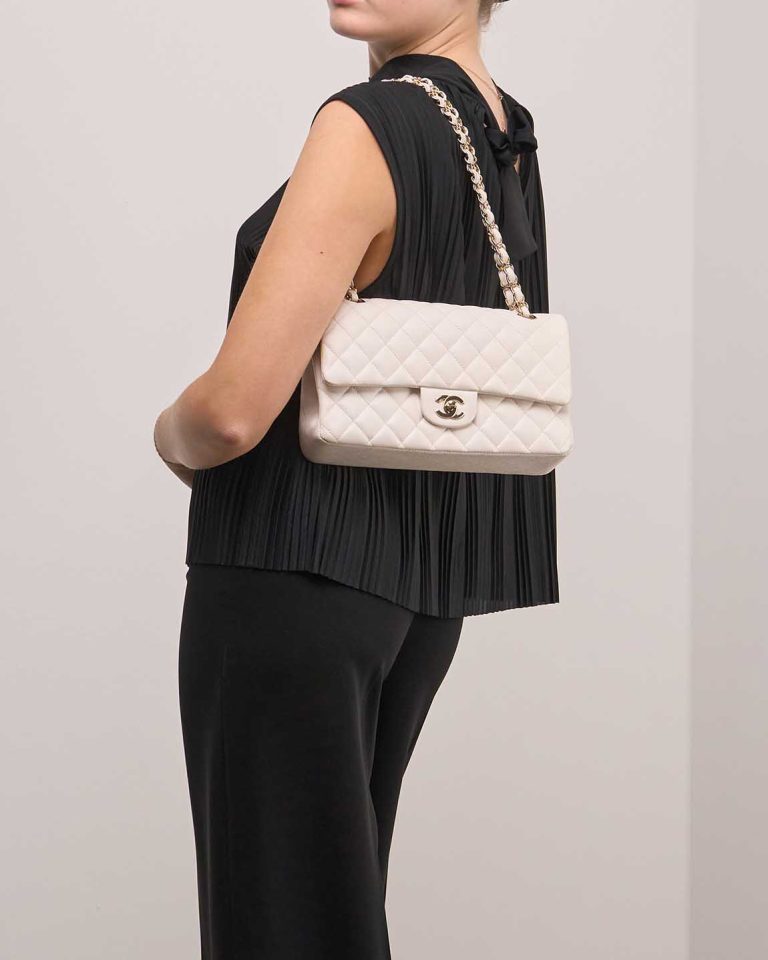


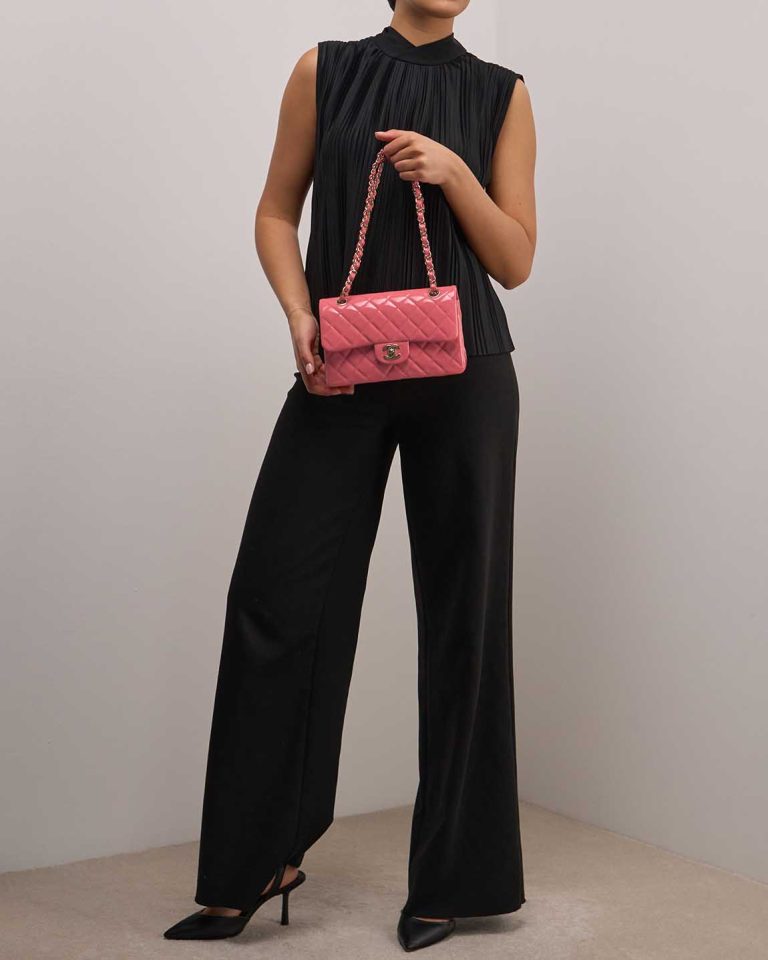





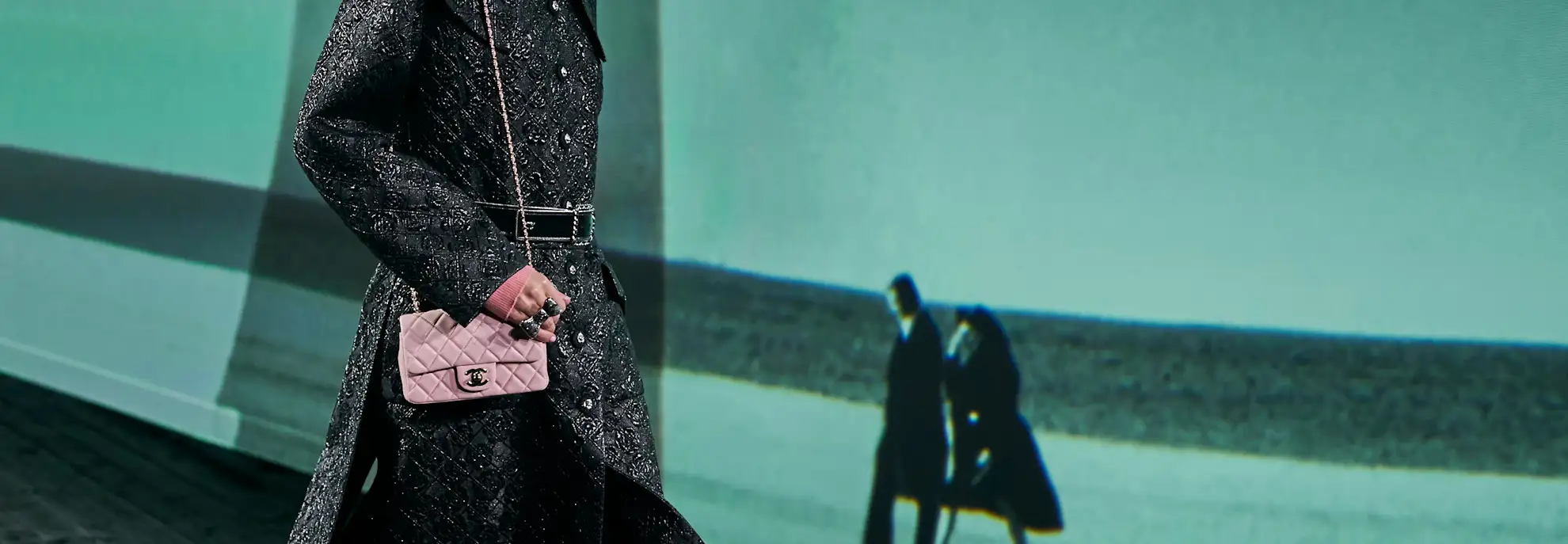
Coco Chanel’s Handbags: A Legacy in Leather
SACLÀB ICONS
Coco Chanel didn’t just modernise clothing — she transformed accessories, crafting handbags that offered both freedom and elegance. Her forward-thinking designs set the foundation for a legacy that continues to shape the world of luxury today.
Published on 17 Nov 2025 / Updated on 1 Jan 2026
Table of Contents
- A Revolution in the Making
- Practicality Meets Elegance
- Timeless Design Language
- The Rise of Icons
- A Legacy Carried Forward
- Beyond Fashion
- A Living Heritage
- Related topics
- FAQ
- What are Chanel’s most popular contemporary models?
- What is the difference between the 2.55 and the Classic Flap?
- When did Coco Chanel introduce her first handbag?
- What materials are most commonly used in Chanel handbags?
- How can I care for and preserve a Chanel handbag?
A Revolution in the Making
At the turn of the 20th century, women’s fashion began shifting from restrictive silhouettes to freer, more functional forms. Gabrielle “Coco” Chanel was at the forefront of this movement, championing elegance with ease. While she is often credited for revolutionising clothing, her approach to accessories—especially handbags—was equally transformative. Chanel recognised that women needed more than ornamentation; they needed design that supported a modern, active lifestyle. Her early ideas would shape the future of luxury accessories.
Practicality Meets Elegance
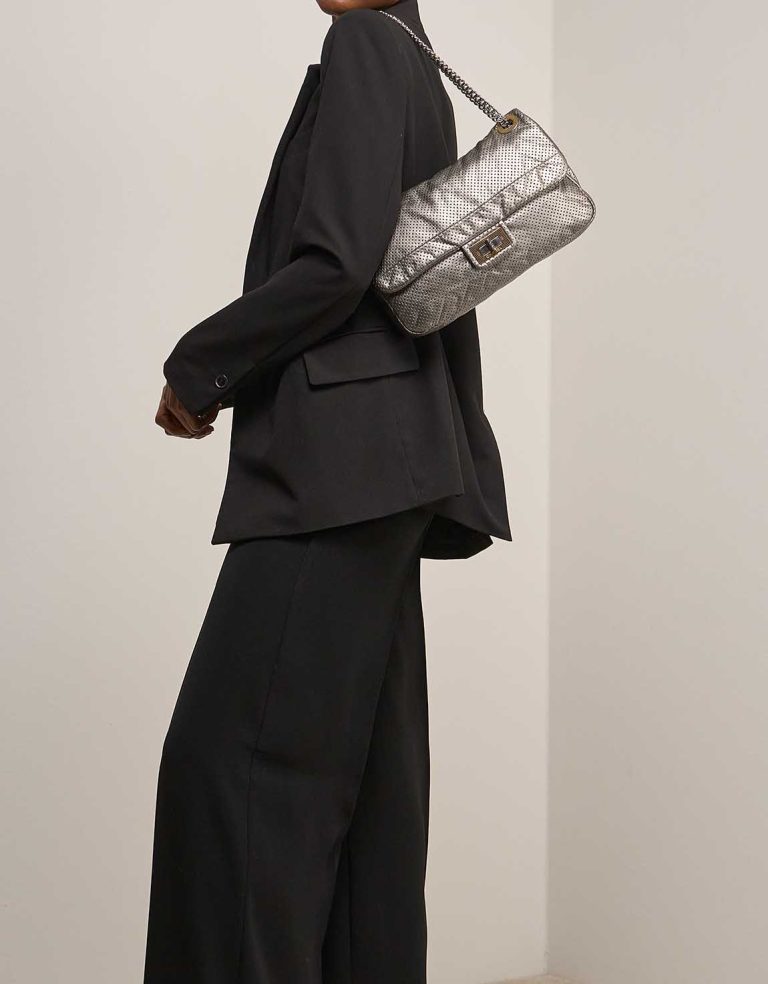
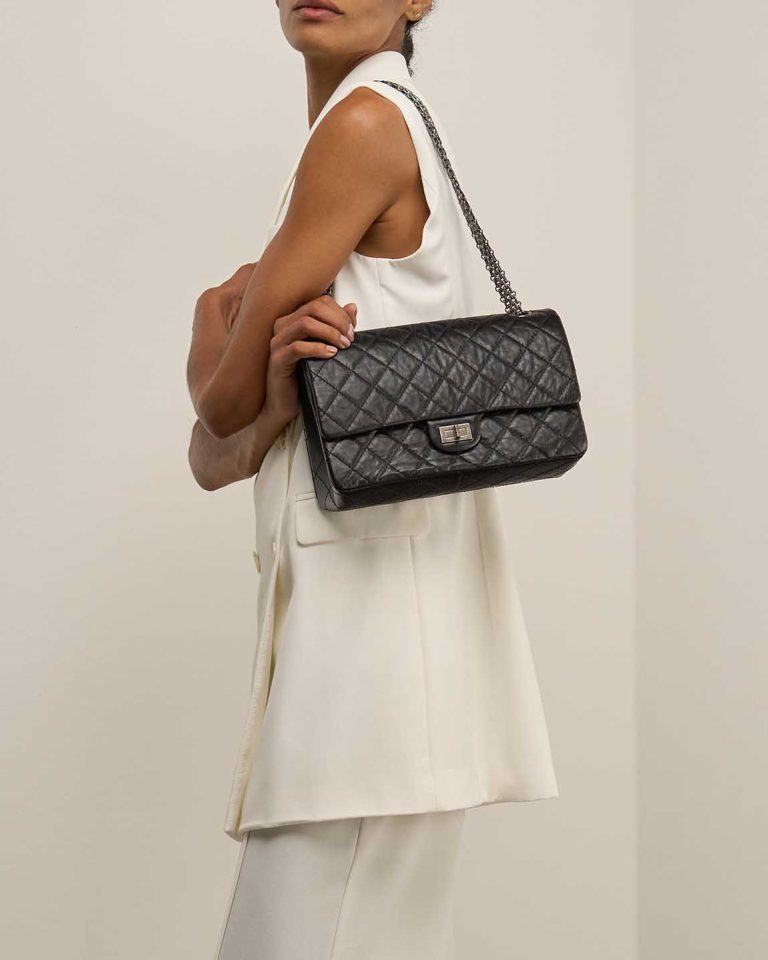
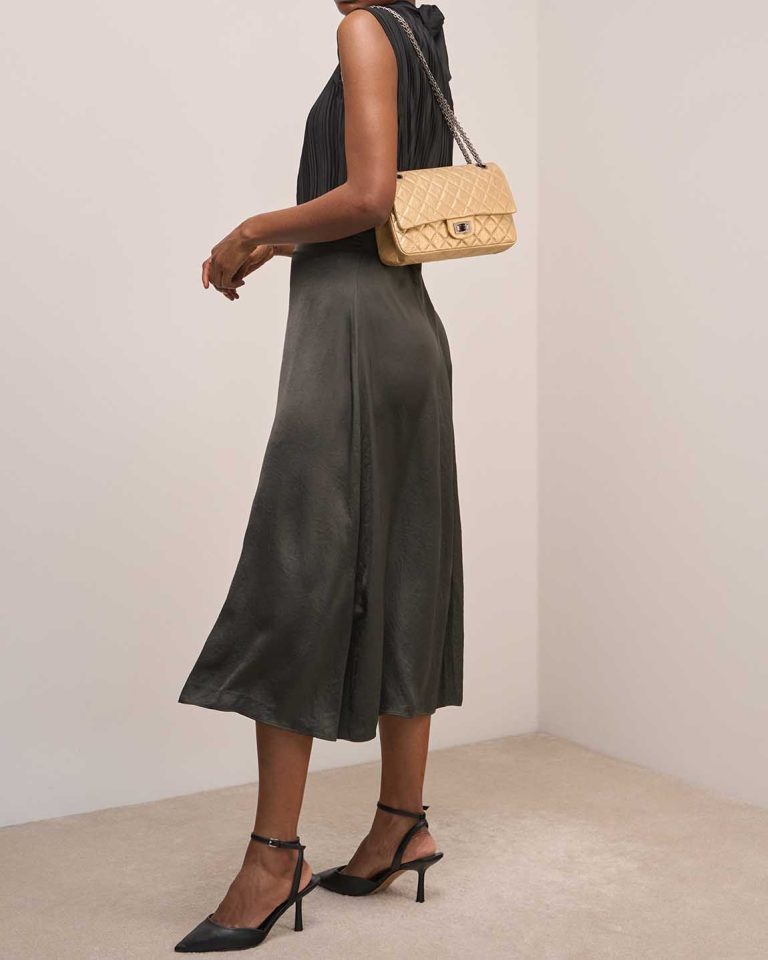
Long before the birth of the 2.55, Chanel was rethinking how a handbag should work. Tired of cumbersome handheld purses, she created pieces that could be worn over the shoulder, freeing the hands without compromising sophistication. This fusion of function and refinement challenged the expectations of her time and set a new precedent for what women could demand from fashion.
Timeless Design Language
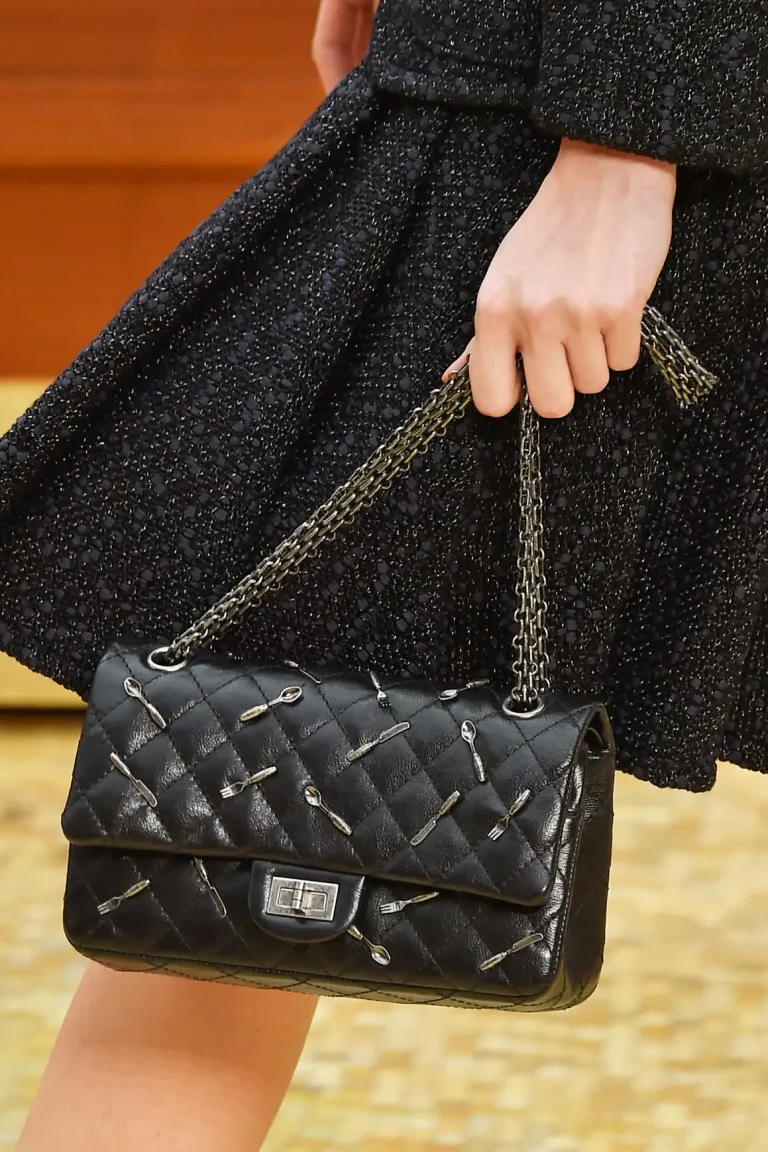
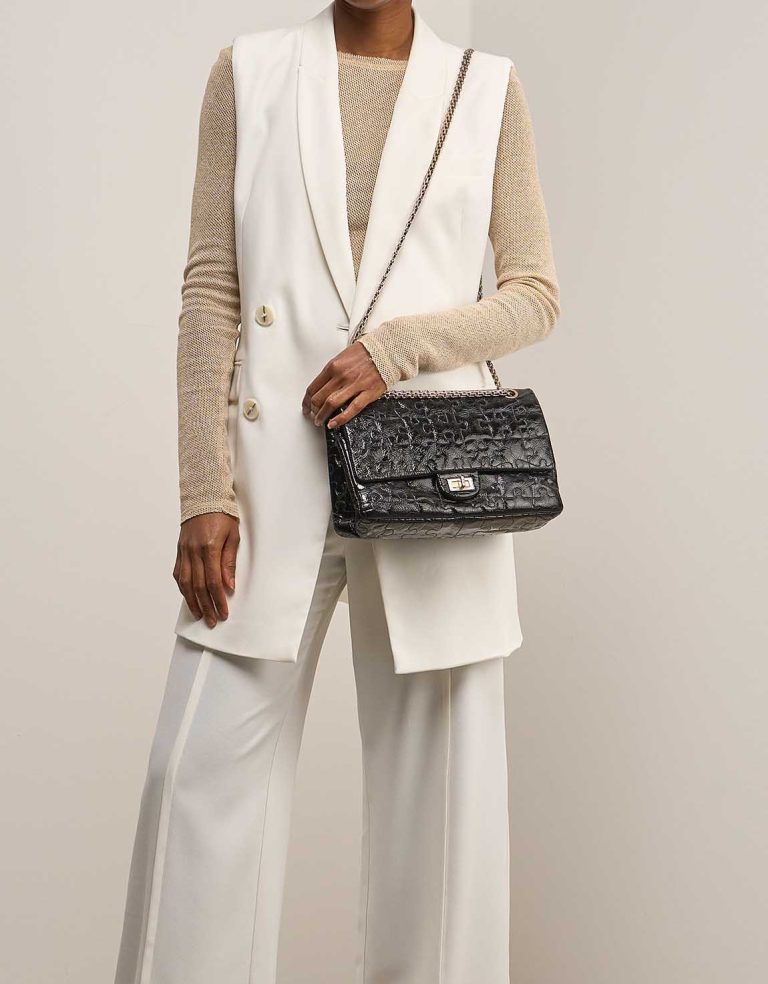
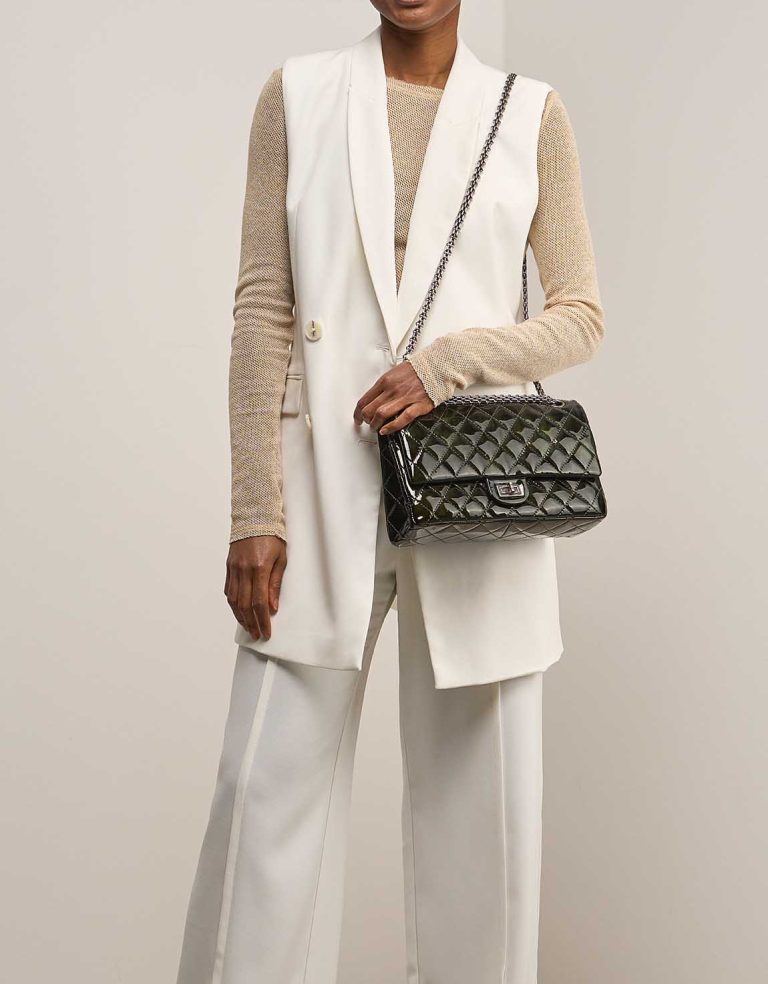
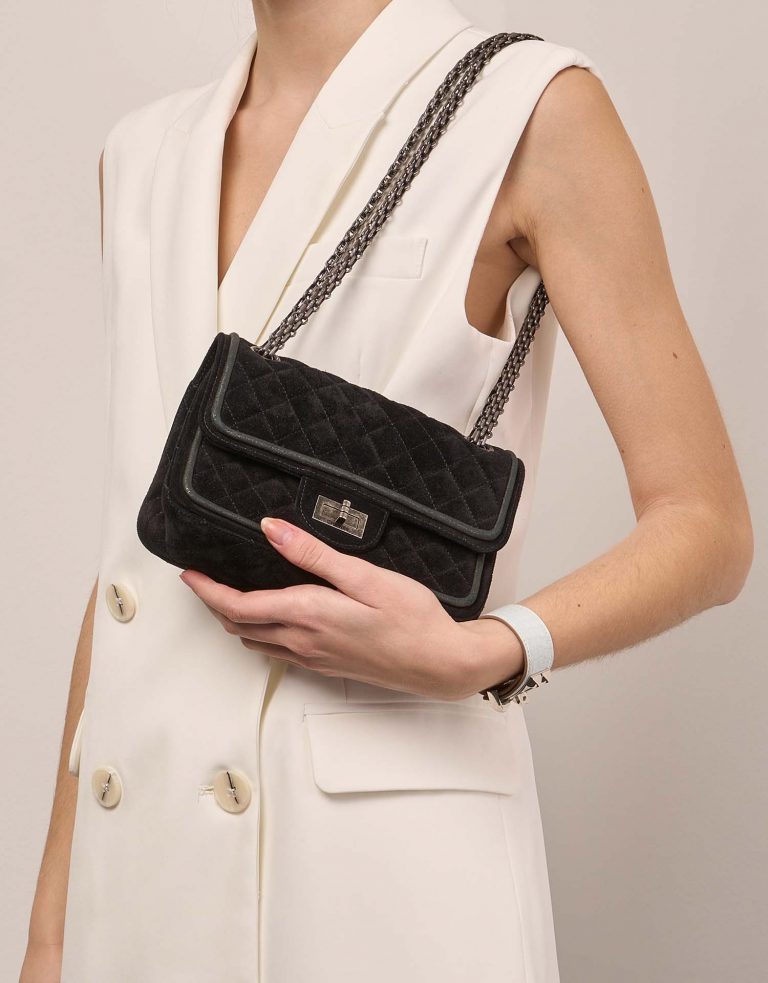
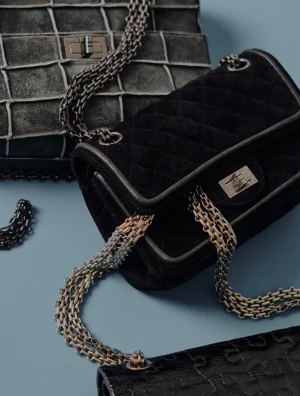
From the structured lines of early evening bags to her soft jersey pochettes, Chanel infused every piece with her signature aesthetic. Quilting, chain straps, supple materials, and discreet detailing became part of a design vocabulary that prioritised comfort, craftsmanship, and understated luxury. Her philosophy was simple yet radical: beauty should be lived in.
The Rise of Icons
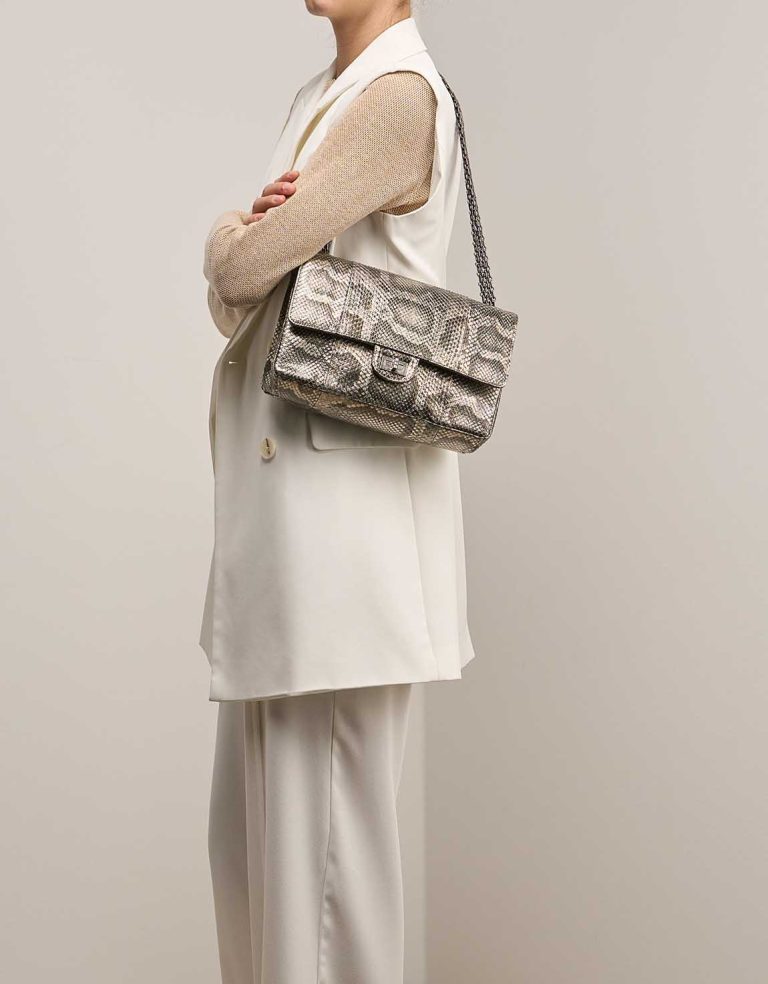
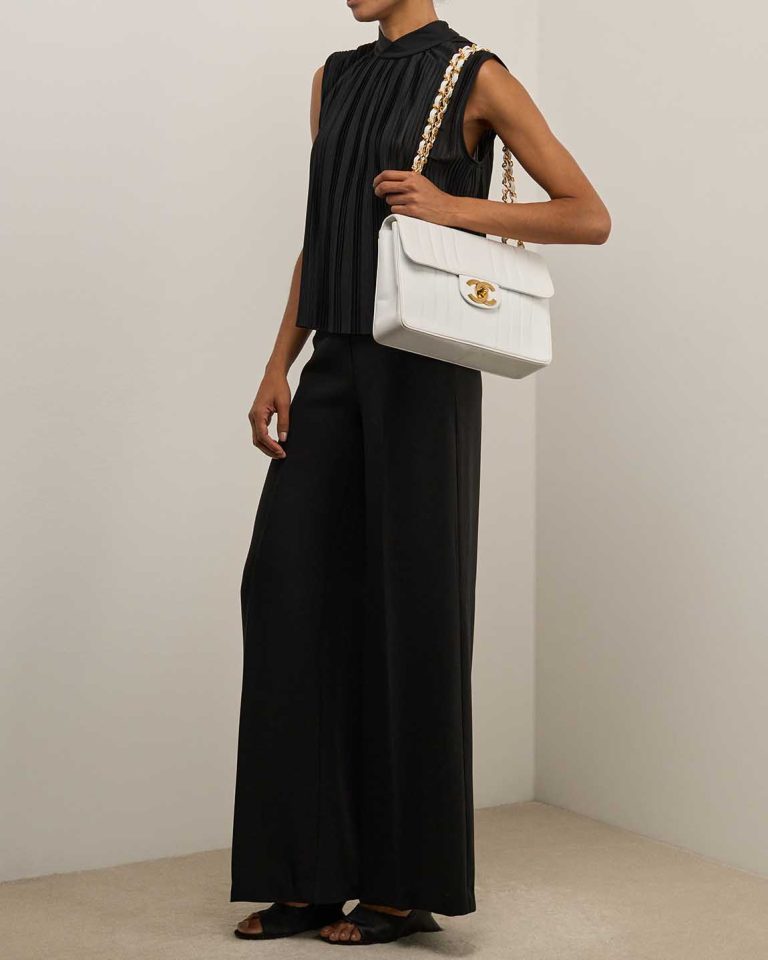
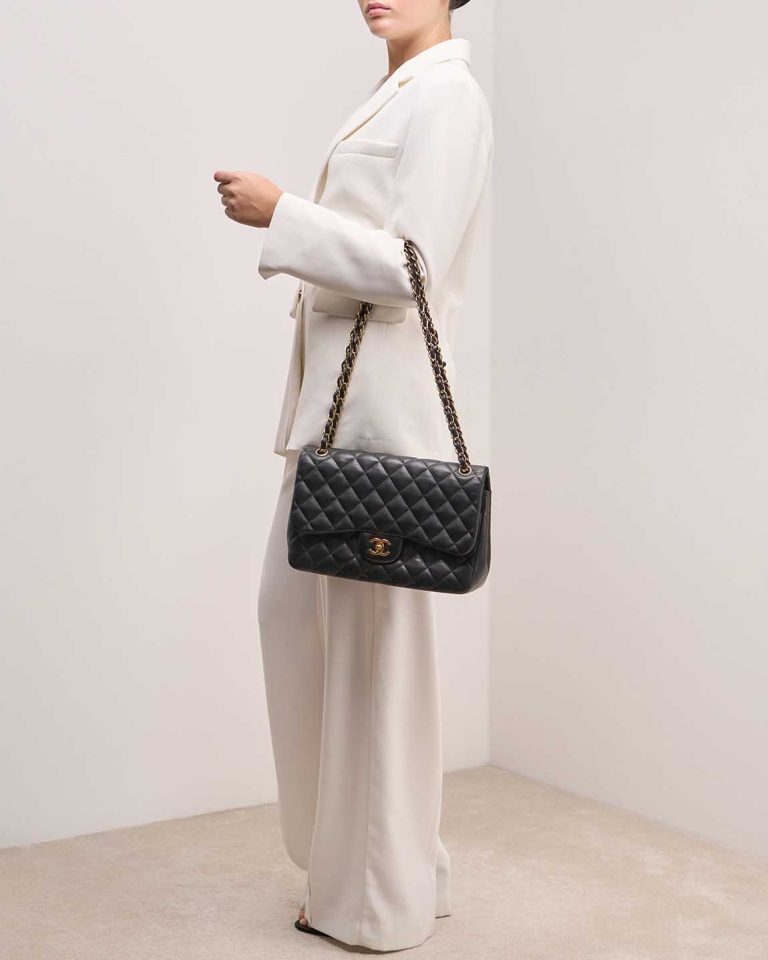
The 2.55 and Classic Flap are among the most influential handbag designs in history, but Chanel’s creativity reached far beyond them. Vanity cases, minaudières, clutches, travel bags—each introduced new shapes and materials, from tweed to lambskin to innovative plastics like lucite. These pieces expanded the brand’s narrative while honouring its roots.
A Legacy Carried Forward
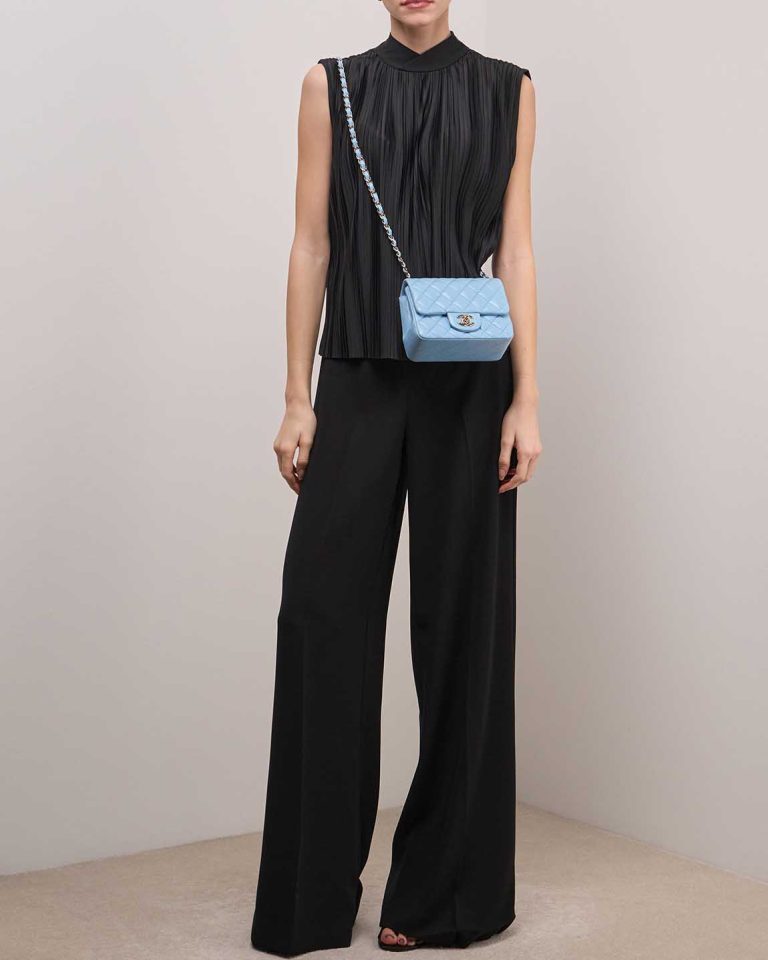
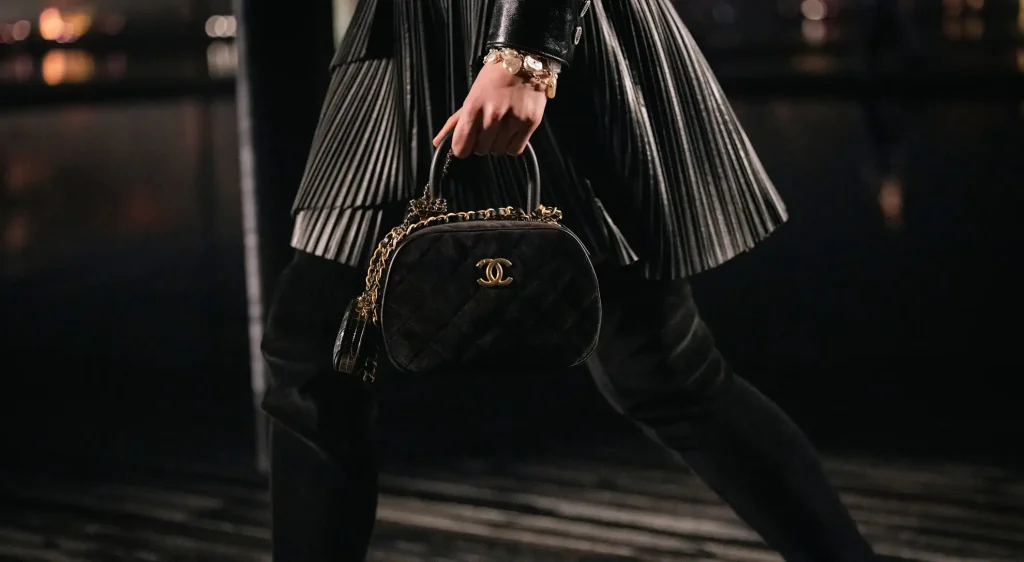
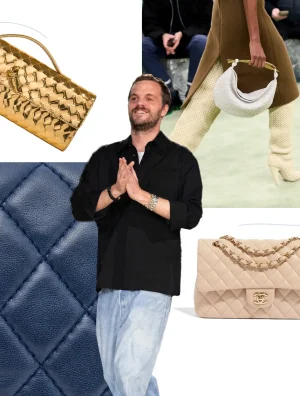
Under Karl Lagerfeld and later Virginie Viard—and now with Matthieu Blazy at the creative helm—Chanel handbags continue to evolve while remaining anchored in Coco Chanel’s founding principles. From the Boy Bag to refined shopping totes, each creation reinterprets the House’s iconic codes for contemporary life. The essence remains unchanged: elegance shaped by freedom.
Beyond Fashion
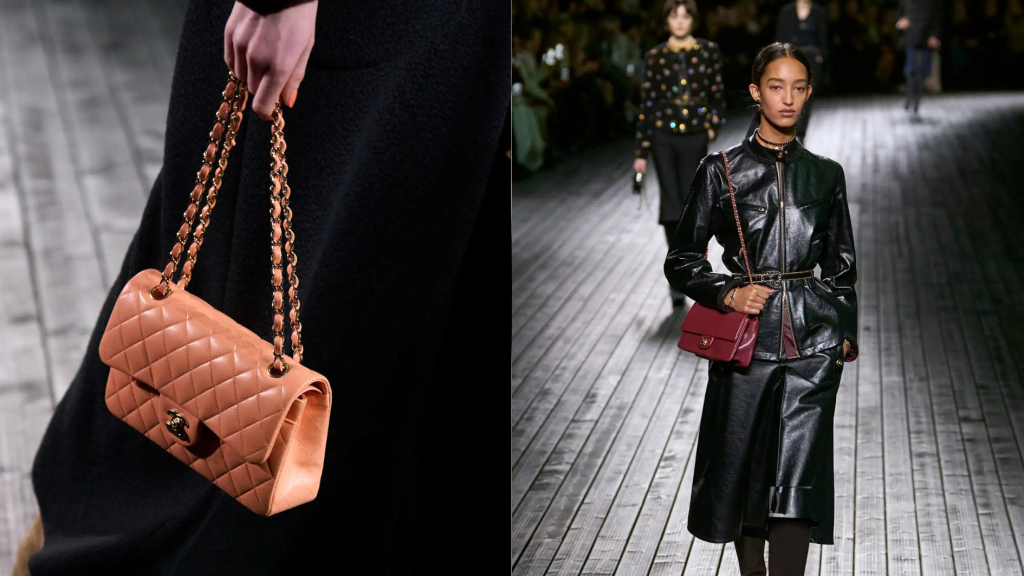
Chanel handbags have become cultural touchstones. They appear on red carpets, in museums, on city streets—symbols of independence, ingenuity, and timeless allure. Each stitch carries more than craftsmanship; it carries a story of women who choose style that empowers.
A Living Heritage
Today, Chanel’s handbag universe continues to inspire collectors, designers, and fashion lovers alike. From vintage treasures to new seasonal editions, each bag holds its own place within a living legacy. They are passed down, celebrated, restored, and reinterpreted—proof that true design doesn’t fade but grows richer with time.
Related topics
FAQ
What are Chanel’s most popular contemporary models?
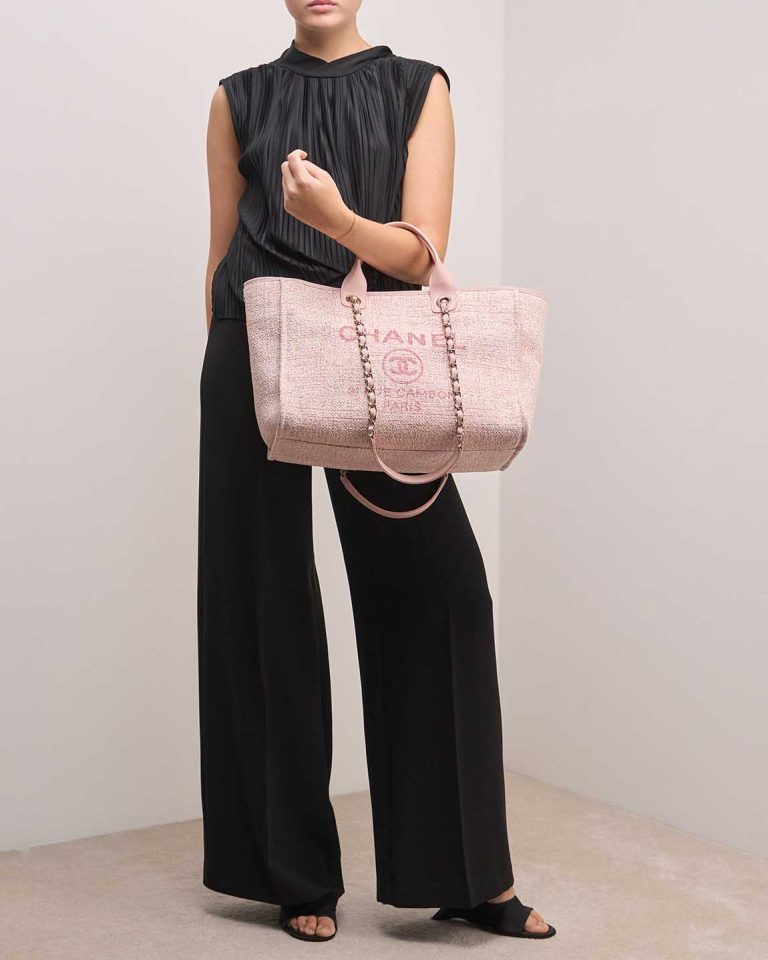
The Boy Bag, Chanel 19, and Chanel Deauville Tote are among the most sought-after modern additions.
What is the difference between the 2.55 and the Classic Flap?
The 2.55, created by Coco Chanel in February 1955, features the Mademoiselle lock and a fully metal chain strap. The Classic Flap, redesigned by Karl Lagerfeld in the 1980s, includes the interlocking CC clasp and a leather-interwoven chain. Both are iconic, but each reflects its era’s aesthetic.
When did Coco Chanel introduce her first handbag?
Chanel began experimenting with practical shoulder bags in the 1920s, but her first truly revolutionary design—the 2.55—arrived in 1955.
What materials are most commonly used in Chanel handbags?
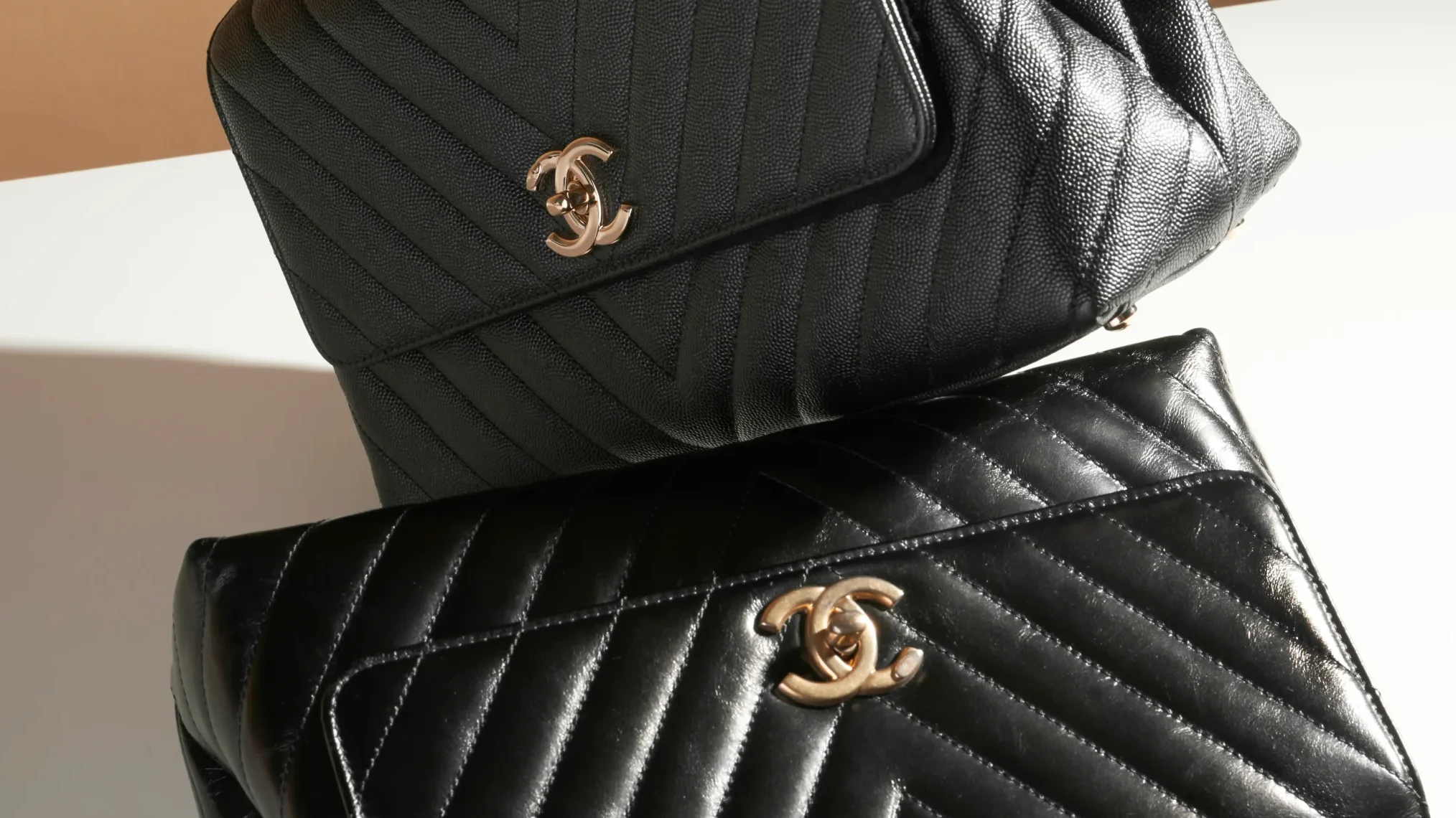
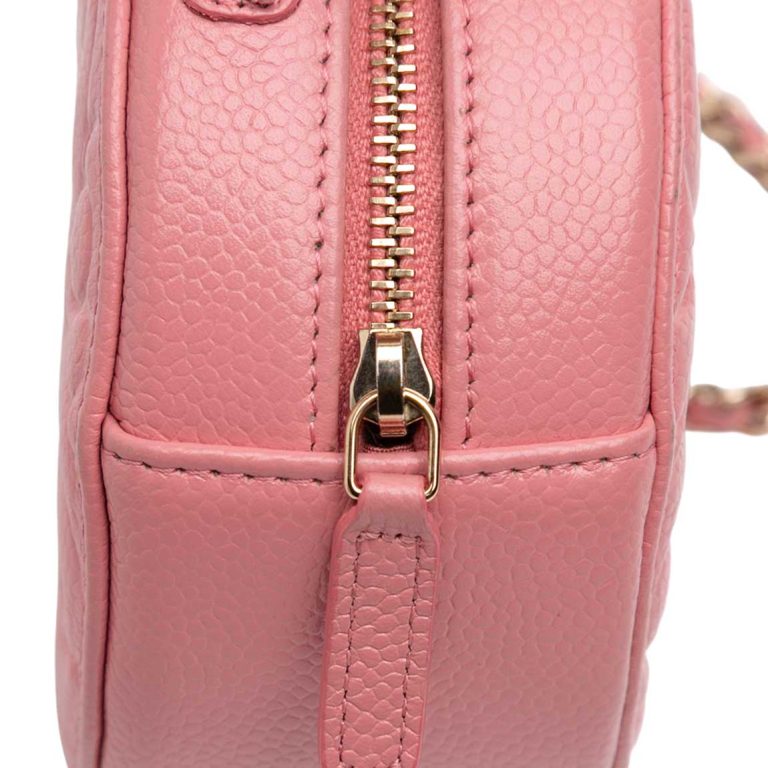
Chanel is known for lambskin and caviar leather, but the House also frequently uses tweed, jersey, exotic skins and innovative materials such as lucite or resin in special collections. Each material offers a distinct look and feel.
How can I care for and preserve a Chanel handbag?
Store the bag upright in its dust bag, keep it away from direct sunlight and humidity, and avoid overfilling it. Regular gentle cleaning and occasional professional spa treatments help maintain its structure, shine, and longevity—especially for softer leathers like lambskin.







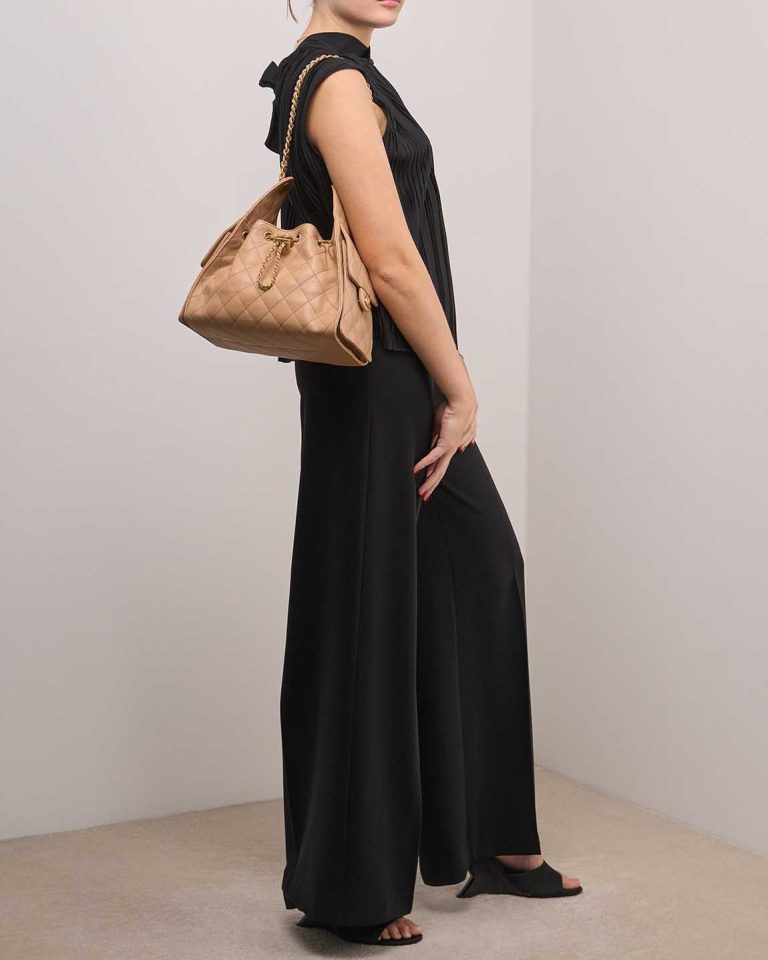

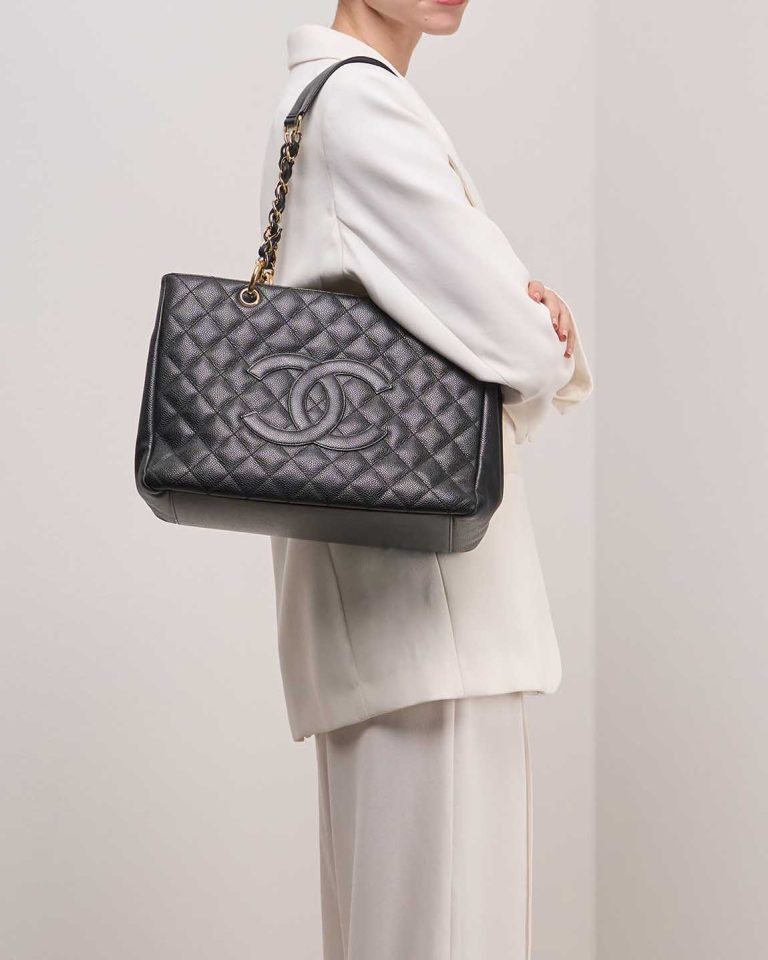
More stories



Sign up & unlock €100 off
Sign up for insider access to new additions, curated drops, and your personal welcome gift.
Make a Request
We do our best to find bags for our customers on request. However, this might take up to 6 months.
Warning!
You have reached the limited requests per customer.
Thank you for your enquiry!
Please check your email for further instructions.
Warning!
You have reached the limited requests per customer.